
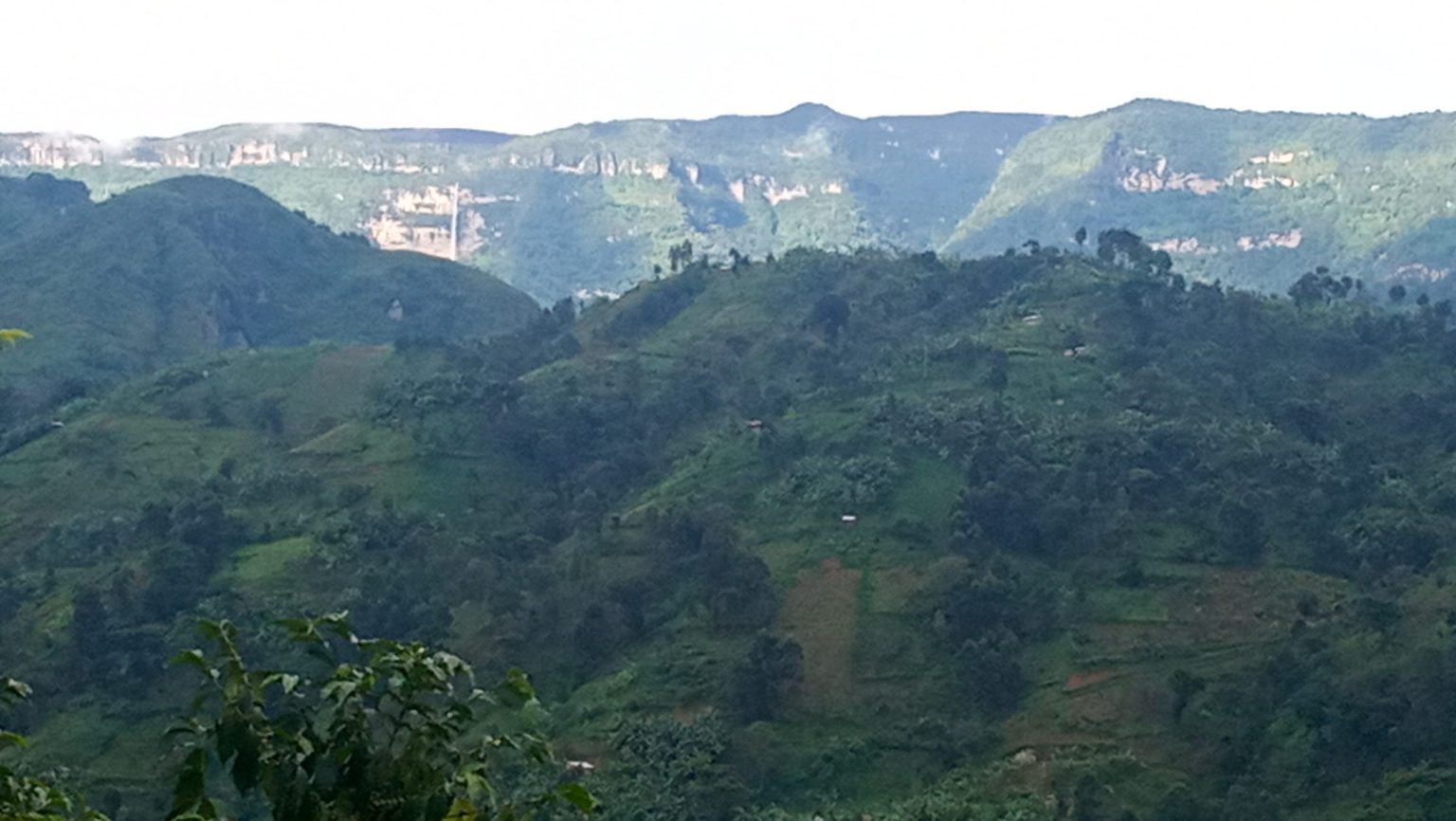
Mount Elgon can suit a beginner hiker because the standard Uganda trekking routes do not require technical climbing, but the summit is still a serious multi day hike to 4,321 metres. Beginners should choose the route and number of days carefully, train for long walking, prepare for rain and cold, and be ready for basic camps. A shorter day hike is a good first test if you are unsure.
Beginner does not mean unprepared. You do not need mountaineering skill for the normal routes, but you do need enough fitness to walk for hours on consecutive days and enough patience to move slowly at altitude.
Is Mount Elgon Trekking Good for Beginners?
Mount Elgon is one of the more accessible high mountain treks in East Africa for walkers who do not have technical climbing experience. The standard Uganda routes are walking routes. Ropes, ice axes and crampons are not normally part of a regular Wagagai trek.
That makes the mountain accessible, not easy. Wagagai stands at 4,321 metres. A summit itinerary involves several days of climbing, camping and changing weather. The body also has to deal with thinner air.
A beginner who already walks regularly, can handle hills and is comfortable with simple camping can be a good candidate. Someone who has never walked for more than an hour at a time should build fitness first or begin with one of the region’s day hikes.
The safest mindset is to treat Mount Elgon as a high mountain trek that happens to be non technical. That keeps expectations realistic from the start.
Choosing a Mount Elgon Trekking Route as a Beginner
Route choice matters more for a beginner than it does for a strong repeat hiker. Sasa is the most direct established route from Budadiri, but it gains a lot of height on the first day. Piswa climbs more gradually from the northern side. Sipi also gives a longer route with a higher start near Kapkwai.
If you are nervous about steep climbing, Piswa or Sipi may feel more comfortable. If time is limited and you already have good hill fitness, Sasa can work with a sensible schedule.
Do not choose only by the number of days. A shorter trek can mean a harder day. A longer plan may give more time for the legs and lungs to settle into the mountain.
The dedicated trekking routes page can help compare Sasa, Piswa and Sipi in more detail. For a beginner, the goal is simple: pick the route that lets you walk steadily rather than survive a timetable.
Mount Elgon Hiking Fitness for Beginners
You do not need to be a competitive athlete. You do need a base of walking endurance. The easiest way to train is to walk hills, stairs or uneven paths for several hours and repeat that kind of effort on another day.
Begin with the time you can manage now. Add longer walks gradually. Once two or three hours feels comfortable, add hills and carry a small day pack. Later, practise on back to back days.
Strong legs help, but so do feet, knees and lower back. Trekking often exposes weak points that a gym workout does not. A person may have good cardio fitness yet develop sore knees on a long descent.
Use your own hiking shoes during training. Do not save new boots for Uganda. The mountain is a poor place to discover that a heel rubs after three hours.
Trying a Mount Elgon Day Hike Before a Summit Trek
If you are already in Mbale and still unsure about a summit attempt, a day hike can answer many questions. Kapkwai forest trails, lower Sasa walking, Sipi Falls and Wanale all give a taste of the region’s slopes.
Pay attention to how you feel after several hours rather than how fast you walked. Are your knees sore? Did the day pack sit comfortably? Did wet ground make you nervous? Could you repeat a similar walk tomorrow?
A day hike cannot reproduce high altitude, but it can show whether basic hill walking is enjoyable. That matters. A multi day trek is much easier mentally when you actually like walking for long periods.
Use the result honestly. Choosing a shorter Mount Elgon visit is better than forcing a summit plan because the summit sounds like the only worthwhile goal.
A useful test. Complete a long local hill walk, sleep, then walk again the next morning. If the second day feels manageable, your training is moving in the right direction.
Altitude on a Beginner Mount Elgon Trek
Altitude is the part a beginner cannot fully train for at home unless they already live or hike high. Wagagai rises above 4,000 metres, where some people feel headache, poor appetite, unusual fatigue or nausea.
Fitness does not guarantee protection. A very fit person can feel altitude while a slower walker feels fine. The sensible response is to move gradually, drink regularly and tell the guide about symptoms early.
Do not hide a headache because you are worried about slowing the group. A ranger or guide needs accurate information to judge whether the pace should change or whether a person should descend.
Beginners often focus on leg strength and forget this part. The mountain is not a race. Slow walking can be a strength at altitude.
Weather on a Beginner Mount Elgon Hiking Trip
Mount Elgon can be wet, cold and windy on the same trip that starts in mild weather below. Rain is possible through the year. Higher ground can feel cold soon after cloud covers the sun.
For a beginner, staying dry is one of the simplest ways to make the trek easier. Keep waterproof outer clothing easy to reach. Protect the sleeping bag and camp clothes inside a waterproof liner.
Mud changes the difficulty of a trail. Sasa’s steep lower ground becomes slower after rain. Gentler routes can still have long muddy sections because they cover more distance.
Walk for the condition under your feet, not the pace you planned at home. Small steps on a slippery descent are better than trying to keep the dry weather timetable.
Camping on Mount Elgon for First Time Trekkers
A Mount Elgon summit trek normally uses basic mountain camps. For someone new to camping, this can be more unfamiliar than the walking.
Ask what the trekking company supplies. A tent, sleeping bag, sleeping mat, meals and porter service may be included in some packages and separate in others. Know what you are expected to carry.
At camp, change out of wet walking clothes and keep the sleeping area dry. Store a head torch where you can find it in the dark. Put tomorrow’s clothes where they can be reached without emptying the whole bag.
Do not expect a hotel bathroom. Basic camps mean simple toilets and limited washing. A small cloth, hand cleaning gel and dry sleep clothing solve more practical problems than carrying extra luxury items.
What Beginners Should Carry for Mount Elgon Hiking
The full packing list belongs on the dedicated Mount Elgon packing page, but a beginner should focus on a few categories. Good footwear, rain protection, warm layers, a comfortable day pack and dry sleeping gear do the most work.
Carry water and food for the walking day where you can reach them. Keep medicine and valuables with you rather than in a porter bag.
Trekking poles can help on steep or muddy ground, especially during descents. Test them before the trip so changing the length and using the straps feel normal.
Do not fill the day pack with items you never touch. Every extra object becomes weight after several hours. Pack for the mountain, not for every possible travel situation in Uganda.
Guides and Porters on a Beginner Mount Elgon Trek
Guides and rangers are part of organised Mount Elgon trekking, and porters can reduce the amount a visitor carries. For a beginner, a porter can make the trip much more manageable because the day pack stays light.
Keep responsibility for your own pace. A porter carrying the main bag does not make the climb flat or remove altitude. You still need to walk every metre.
Ask how the crew works before the start. Know the maximum porter load, what equipment is shared and where the group meets the ranger. Clear arrangements make the first morning calmer.
A good beginner group also respects the slowest person. If one hiker needs more breaks, the schedule should respond to that rather than turning each day into a chase.
Common Beginner Mistakes on a Mount Elgon Hiking Trip
The first mistake is choosing the shortest route because it appears easier. Sasa proves why this can be wrong. Its direct line saves time but puts a hard climb early in the trek.
The second is carrying too much. Beginners often pack for fear rather than use. Heavy clothing, several pairs of shoes and town items do not belong in the day bag.
The third is walking too fast on the first day. Excitement and lower altitude make that easy. A slow first morning leaves more energy for the days that follow.
The fourth is ignoring wet gear. Put dry camp clothing behind a waterproof barrier before the trek starts. Once rain gets into the main bag, fixing the problem on the mountain is difficult.
The fifth is treating pain or altitude symptoms as weakness. Speak up. A small problem is easier to manage before it becomes a large one.
Do not compete with the group. Your job is to complete the trek safely at a pace your body can sustain. The summit does not care who walked fastest on day one.
Planning a Beginner Mount Elgon Hiking Trip from Mbale
Mbale is a useful base before a first Mount Elgon trek because it gives access to hotels, shops and road transport. It also places you within reach of several trail areas.
Spend the night before the trek organising rather than travelling late. Charge devices, separate the mountain bag from the luggage staying behind, eat properly and sleep.
After the trek, another Mbale night can be useful. A hot shower, dinner and rest make the next road transfer easier, especially if the final mountain day included a long descent.
If the summit plan starts to feel too much after a local day hike, change it. Mount Elgon also works as a region for Sipi Falls, coffee visits, forest walks and shorter hiking days.
Mount Elgon for Beginners FAQ
Can a beginner climb Mount Elgon? Yes. A fit beginner can trek the standard Uganda routes because they do not normally require technical climbing. The person should still prepare for long walking days, high altitude, basic camps and changing weather.
Which Mount Elgon route is best for a beginner? Piswa and Sipi offer more gradual climbing than Sasa. Sasa can still suit a fit beginner who is comfortable with a steep first day and a shorter plan.
How fit do I need to be for Mount Elgon? You should be able to walk for several hours on hilly ground and repeat the effort on consecutive days. Training with a small day pack is useful.
Do I need climbing equipment for Mount Elgon? Standard trekking routes to Wagagai do not normally require technical equipment such as ropes or crampons. Trekking boots, rain clothing, warm layers and camping gear are much more relevant.
How much is Mount Elgon park entry? Uganda Wildlife Authority currently displays USD 35 for foreign non residents, USD 25 for foreign residents and UGX 20,000 for East African visitors. Trekking, ranger, porter and other services may carry separate charges, so verify the complete amount before payment.
Should I try a day hike first? If you have little hiking history, yes. A long day walk around Kapkwai, Sipi, Wanale or the lower Sasa area can show how you handle hills, mud and several hours on foot.
Mount Elgon Hotel & Spa in Mbale can give first time trekkers a comfortable night before and after the mountain. Once your route and trekking dates are fixed, contact the hotel for a room, meals or spa time around the hiking plan.