
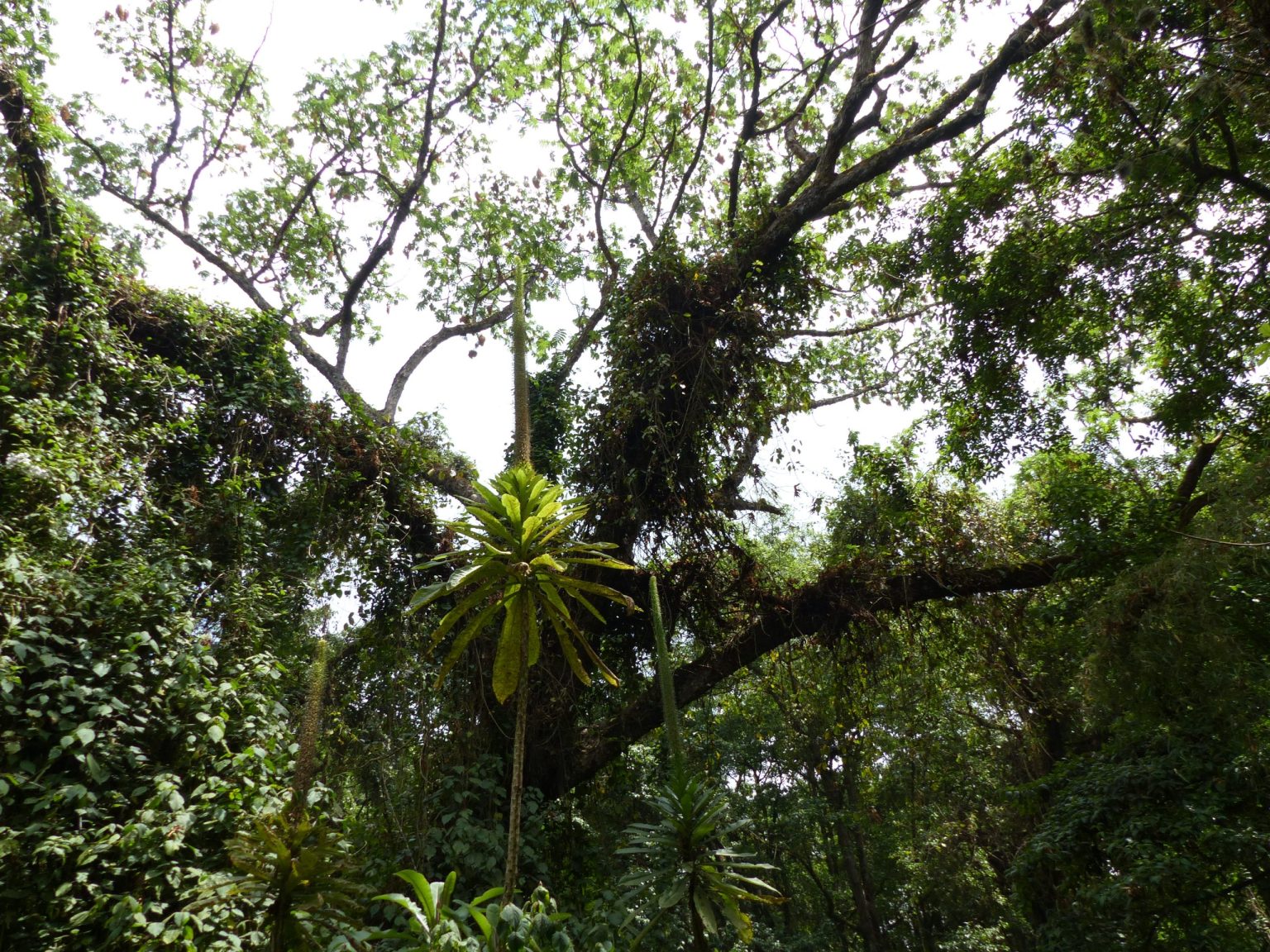
Mount Elgon day hikes let visitors walk the lower forests, caves, waterfalls, ridges and foothills without committing to a multi day summit trek. Good options include trails around Kapkwai, short walks toward caves and falls, lower Sasa sections from Budadiri, Sipi Falls hikes and Wanale walks near Mbale. The best day hiking choice depends on fitness, rain, road access and how many hours you can give the trail.
Pick by time, not by name. A route described as a day hike can still mean many hours on steep ground. Tell the guide how long you actually want to walk and whether you are comfortable with mud, stairs and exposed slopes.
Choosing a Mount Elgon Day Hiking Trip
The Mount Elgon region has short walks in several different areas. Some enter Mount Elgon National Park. Others sit outside the park but use the same volcanic slopes and highland terrain. Treat them as separate trail systems rather than one giant path.
Kapkwai works for forest based walking. Budadiri gives access to the lower Sasa side. Sipi is better for waterfalls and coffee country. Wanale is useful for a shorter outing from Mbale. The road transfer between these places can be longer than a visitor expects.
Before choosing, decide whether the goal is forest, a waterfall, a hard training walk, a view or simply a few hours outside. A person who wants a relaxed morning should not be put on the same route as a hiker training for a summit.
Rain matters too. Clay soil and steep farmland paths become slower when wet. A five hour plan on a dry morning can take longer after a heavy shower.
Kapkwai Forest Day Hiking
The Forest Exploration Centre at Kapkwai is one of the established lower mountain access points and has long been used for nature walks and shorter hiking trails. It sits at a higher elevation than Mbale, so the air is cooler and forest becomes the main setting.
Older tourism material describes several short trails around the centre, with distances running from a few kilometres to longer half day walks. Routes and trail condition can change, so confirm the active trail choices when you arrive rather than planning around an old map.
Kapkwai suits travellers who want to walk inside the Mount Elgon forest without sleeping on the mountain. Bird calls, bamboo, streams and shaded paths give the day a different feel from the open farmland around Sipi.
Footwear still matters. Forest paths can hold moisture long after rain has stopped. Shoes with tread are more useful than smooth trainers, and a light rain shell belongs in the day bag.
Kapkwai Cave and Chebonet Falls Hiking
Local Mount Elgon trail descriptions often pair the Kapkwai area with walks toward Kapkwai Cave and Chebonet Falls. These are useful choices for visitors who want a defined destination rather than a general forest circuit.
The cave walk has been described in older sources as a moderate short trail through forest and bamboo. Chebonet Falls adds a waterfall goal. Exact trail length can differ depending on the starting point and current ranger route, so ask for walking time rather than relying only on a kilometre figure.
Streams and waterfall ground can be slippery. Slow down near wet rock. A walking stick can help on muddy slopes, particularly after afternoon rain.
If the group includes children or someone with limited mobility, ask how much climbing the chosen trail has before leaving the ranger point. Short distance does not always mean flat ground on Mount Elgon.
Tutum Cave Day Hiking from the Kapkwai Side
Tutum Cave appears on Mount Elgon trail descriptions as a longer lower mountain objective from the Kapkwai side. It can suit hikers who want more hours on foot than a short forest loop but do not want a summit trek.
This is the sort of day where an early start matters. The longer you are away from the road, the more useful it is to carry food, enough water and rain protection. The trail may also cross wetter ground than the shorter visitor centre walks.
Ask whether Tutum is sensible as a same day return for your group. The answer depends on pace and current trail condition. A guide who has walked the route that week can give better advice than a fixed time copied from an old article.
Turn around when the day requires it. Reaching a named cave is less important than returning before dark with enough energy for the final descent.
Use a turnaround time. Agree with the guide on the latest time to begin the return. Day hiking becomes safer when the group has a time limit rather than chasing a destination until late afternoon.
Budadiri and Sasa River Day Trekking
Budadiri is best known as the start of the Sasa summit route, but parts of the lower trail can also be used for a hard day walk. A hike toward the Sasa River area gives visitors a taste of the steep western side without committing to several nights in camp.
This is not a casual stroll. Some local day trek descriptions put the full out and back walk beyond twenty kilometres when hikers push far enough toward the Sasa River Camp. A shorter version can turn around earlier.
The climb passes farmed lower slopes and reaches steeper ground toward the park. Mudangi Cliffs are part of the wider Sasa line. Rain can make the descent slow, and hikers often find the return harder on the knees than the climb.
Choose this day trek if you want a physical test. If the goal is a relaxed forest morning, Kapkwai is a better fit.
Mudangi Cliffs Hiking on the Lower Sasa Route
The Mudangi Cliffs are a known feature on the first day of the Sasa route. A lower mountain hike can bring fit visitors into this steep terrain without continuing toward the summit camps.
Fixed steps or aids have been used on the cliff section over time, but that does not remove the effect of wet soil and steep gradients. Use the ranger’s current advice on whether the section is suitable after heavy rain.
A day hiker should carry less than a summit trekker, which helps. Keep the pack light with water, food, rain clothing and personal items. Heavy camera gear feels much heavier after repeated climbing.
If anyone in the group is uncomfortable with steep stairs or exposed ground, say so at the start. A different lower trail can still give a good Mount Elgon hiking day.
Sipi Falls Day Hiking Near Mount Elgon
Sipi Falls sits outside the national park boundary on the lower Mount Elgon slopes and is one of the easiest places to plan a full day of walking in the region. The waterfall circuit usually links the three main falls through village paths, farmland and steep sections.
This page does not replace a full Sipi Falls guide. For day hiking purposes, the important point is that Sipi can range from a shorter visit to several hours on foot depending on how many falls and viewpoints are included.
Recent traveller reports often mention mud, steep sections and the value of a walking stick after rain. Some hikers finish in a few hours, while others spend much of the day walking slowly and stopping at the falls.
A local guide also helps with path choice because the trail crosses settled land and can be unclear at junctions. Wear boots or shoes with grip rather than sandals.
Wanale Day Hiking from Mbale
Wanale rises above Mbale and gives visitors another day hiking option without committing to the main Mount Elgon summit area. It works well when time is limited or when a traveller wants a hill walk close to the city.
The route can use steep village paths, roads and viewpoints along the ridge. Walking plans differ because Wanale has several access points rather than one formal summit trail used by everyone.
Start early if the day is hot. The lower slopes can feel much warmer than the upper national park trails, and shade is not constant.
Wanale is also useful as a fitness test before a longer Mount Elgon trek. A person who struggles badly on several hours of local climbing should think carefully before choosing a compressed summit itinerary.
Mount Elgon Day Hiking for Beginners
Beginners do not need to start with the hardest day walk. Kapkwai forest trails and a paced Sipi visit can provide several hours of hiking without the pressure of reaching a summit camp.
Tell the guide your real fitness level. Saying that you are fit can mean very different things. Mention the longest walk you have done recently and whether steep descents cause knee pain.
Wear tested footwear. A new pair of boots can create blisters on a short trail just as easily as on a multi day trek. Carry plasters or tape for hot spots.
Use the day hike to learn how your body reacts to Mount Elgon’s rain, hills and altitude. It can be a useful step before deciding whether a longer trek is right for you.
Mount Elgon Day Hiking in Wet Weather
Rain is possible throughout the year on Mount Elgon. The wettest periods tend to make forest and clay paths slower, but a shower can occur in a drier month too.
Do not cancel every walk at the first cloud. Ask the local guide about the specific trail. Some routes drain better than others, while a steep path can become a poor choice after sustained rain.
Keep rain clothing in an outer pocket. Put the phone in a waterproof pouch. A small dry bag for spare clothing is useful if the group will be out for most of the day.
After rain, the descent often needs more care than the climb. Shorter steps and a stick can reduce slipping. Give the slowest person space rather than crowding behind them on mud.
Rain changes the route. Ask which trail is best today, not which trail is best in a guidebook. Local ground condition matters more than a fixed ranking of Mount Elgon day hikes.
What to Carry for a Mount Elgon Day Hike
A day hike needs far less gear than a summit trek. Water, food, rain protection, sun protection, a warm layer for higher forest, personal medicine and a charged phone cover most ordinary needs.
Use a small backpack that sits close to the body. Loose shoulder bags become annoying on steep ground. Keep both hands free if the trail is muddy.
Bring more water for exposed lower walks such as Wanale than you might need for a cool forest loop. The guide can advise on refill points, but do not depend on untreated stream water unless you have a safe treatment method.
If you plan photography, carry only what you can comfortably walk with for several hours. A heavy lens collection has little value if it makes every climb unpleasant.
Planning a Mount Elgon Day Hiking Trip from Mbale
Mbale is a practical starting point for several lower mountain areas, but each day hike needs its own transfer plan. Kapkwai, Budadiri, Sipi and Wanale are not one trailhead.
Leave with enough road time. Highland roads can be slower after rain, and a late arrival cuts into the safe walking window. Ask the guide what time you need to leave the hotel rather than working backward from a map estimate.
A day hike can fit well into a two or three night Mbale stay. One day can be used for Sipi or a park trail, while the rest of the visit covers the hotel, city or a shorter local outing.
After a long walking day, returning to a room in Mbale gives time for dinner, a shower and recovery without another overnight move.
Mount Elgon Day Hikes FAQ
Can I hike Mount Elgon without climbing to Wagagai? Yes. The region has forest walks, cave trails, lower Sasa walks, Sipi Falls routes and Wanale hikes that can be completed without a summit trek.
Which Mount Elgon day hike is best for a beginner? A shorter Kapkwai forest trail or a paced Sipi Falls walk can work well. Ask about current mud, climbing and total walking time before choosing.
Can I hike part of the Sasa Route in one day? Yes. Lower Sasa walks from Budadiri can be planned as hard day treks, with the turnaround point chosen for the group’s pace. Do not treat the full summit route as a one day objective.
Do I need a guide for Mount Elgon day hikes? Guided access is used for park trails and is useful on community paths around Sipi and other local areas. Confirm the current ranger or guide requirement for the exact trail when booking.
How much is entry to Mount Elgon National Park? Uganda Wildlife Authority currently displays USD 35 for foreign non residents, USD 25 for foreign residents and UGX 20,000 for East African visitors. Activity or guide charges may be separate, so confirm the total for the chosen trail before payment.
Can I do a Mount Elgon day hike from Mbale? Yes. Mbale is a useful road base for Wanale and transfers toward Budadiri, Kapkwai and Sipi. Start time depends on the chosen trail and road conditions.
Mount Elgon Hotel & Spa in Mbale can help you place a day hiking outing around a comfortable city stay. Confirm the trail and guide first, then contact the hotel for rooms, dining or spa time before or after the walk.