
Mount Elgon Cultural Tours introduce travellers to BaMasaba, Sebei and other communities whose farming, food, stories and ceremonies are tied to the mountain. The best tours are hosted locally and focus on everyday life rather than staged spectacle. Mount Elgon in eastern Uganda is both a protected mountain area and a cultural homeland, with Mbale, Budadiri, Sipi and Kapchorwa providing different entry points.
BaMasaba Cultural Tours on the Mount Elgon Slopes
BaMasaba cultural tours focus on communities living mainly on the southern and western sides of Mount Elgon. The BaMasaba are also widely known as the Bagisu. Uganda Wildlife Authority notes that they connect Mount Elgon with their ancestral father, Masaba, and commonly refer to the mountain by that name.
That relationship gives the mountain a meaning that goes beyond hiking. A community guide can explain clan identity, farming, settlement, food and the way the mountain appears in local history. The best tours make room for questions rather than rushing from one demonstration to another.
Mbale is a practical starting point for these visits. From the city, travellers can move toward Budadiri, Bududa and other communities around the lower slopes. Some trips include a village walk, food preparation, a coffee farm or local dance, depending on the host group.
Ask who receives the visitor fee and how the activity is organised. Community led tours tend to give more direct contact with the people whose culture is being discussed.
Imbalu Cultural Experience and BaMasaba Initiation Traditions
Imbalu is one of the best known BaMasaba cultural traditions. It is a public male circumcision initiation associated with the transition into adulthood and is held in even numbered years. Uganda Wildlife Authority identifies the ceremony as closely tied to Mount Elgon and BaMasaba identity.
A cultural tour should explain Imbalu even when no ceremony is taking place. The history, songs, family roles, preparation and community meaning can be discussed without pretending that every visitor will see the rite itself.
If your trip happens during the wider Imbalu season, attendance requires sensitivity. This is a living community ceremony, not a show organised for tourists. Photography, access and where visitors stand should follow local guidance. A guide from the community can explain what is public and what should remain private.
Do not build a trip around photographing a participant at close range. The cultural value is in learning why the rite matters, how families prepare and how the tradition sits within present day BaMasaba life.
Sebei Cultural Tours Around Sipi and Kapchorwa
Sebei cultural tours are common on the northern side of the Mount Elgon region, around Kapchorwa, Kween and Sipi. The Sebei are often referred to as Sabiny in tourism material. Community visits can include village walks, food, farming, storytelling, craft work and local music.
Sipi is a convenient base because cultural activities sit close to coffee farms and waterfall trails. A visitor can spend one day hiking and another with a community host without changing accommodation every night.
The strongest visits are ordinary in a good way. You may walk through gardens, sit with a family, see how food is prepared or talk about school, land and farming. That gives a more accurate view of life than a short performance with no context.
Some community organisations in the wider Kapchorwa area use tourism to support local social projects. Ask what the group does and how visitor payments are used, but let the host explain it rather than assuming the same model applies everywhere.
Mount Elgon Community Walking Tours in Budadiri
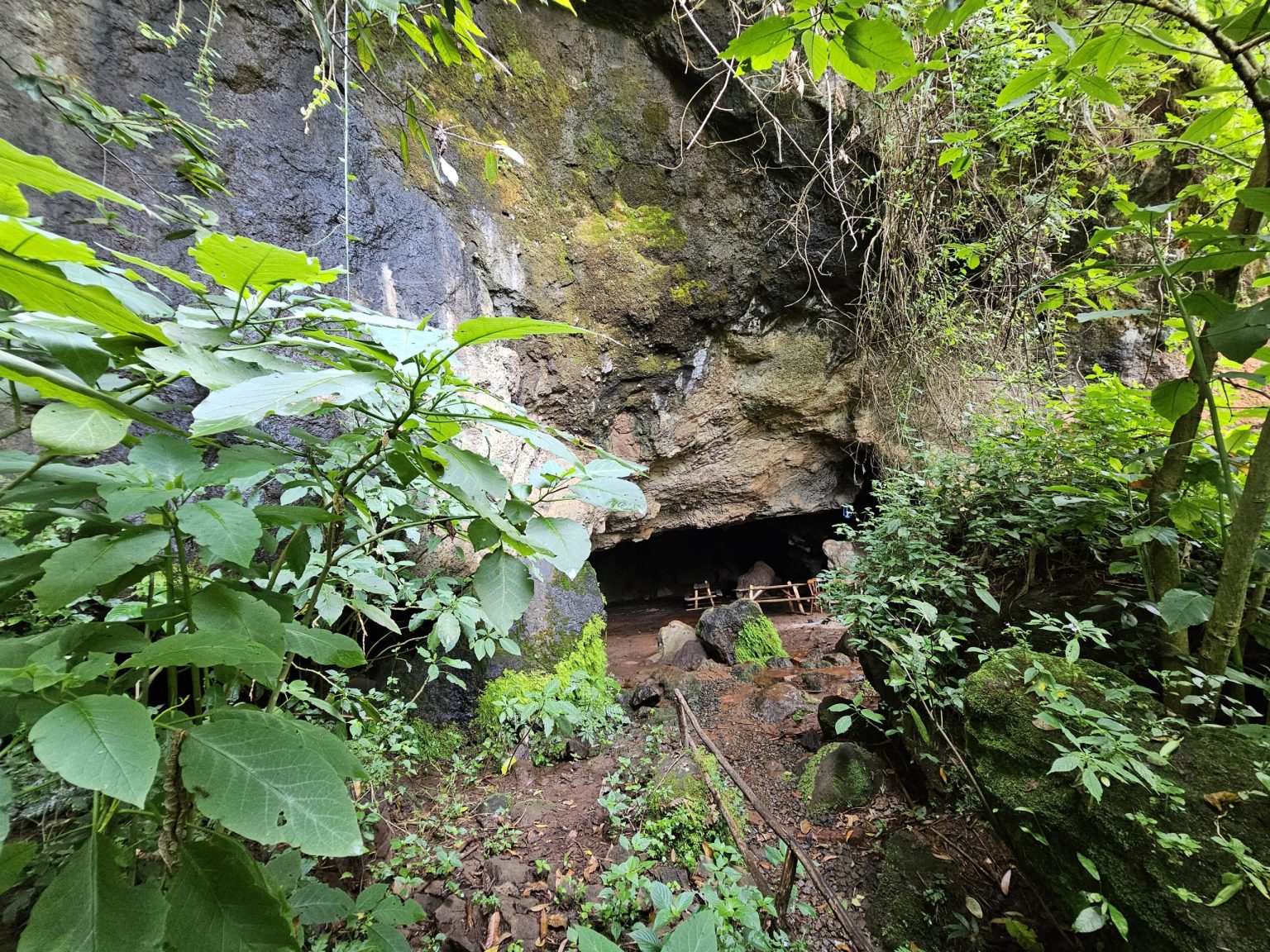
Budadiri community walking tours combine culture with the lower slopes of Mount Elgon. Older tourism material from the area describes locally organised walks through BaMasaba community land, banana plantations, caves, waterfalls and villages.
A walk gives context that a vehicle visit misses. You see how homes sit in relation to fields, how steep ground is farmed and how footpaths connect settlements. The route can also introduce local markets and food.
Some Budadiri based community groups have included coffee tours, cultural dance, local meals and guided nature walks in their visitor programmes. Availability can change, so confirm the host group and current route before travel.
This is a good option for travellers who want culture but do not want a formal ceremony. Walking creates time for conversation and lets the guide explain the mountain as a lived place.
Mount Elgon Food Tours and Malewa Traditions
Food is one of the easiest ways for a Mount Elgon cultural tour to become practical. In BaMasaba communities, malewa, prepared from bamboo shoots, is strongly associated with local cuisine. A guide can explain how it is collected, prepared and served, and why it carries cultural value.
Meals may also include bananas, beans, vegetables, groundnuts and other foods grown or bought locally. What is served depends on the household and season. There is no need to turn every meal into a long list of traditional dishes.
Cooking sessions are useful because they slow the visit down. Instead of arriving, taking photographs and leaving, you spend time with the host while something is prepared. Conversation comes naturally.
If you have allergies or dietary restrictions, say so before the visit. Rural hosts may need notice to change ingredients or arrange an alternative.
Mount Elgon Coffee and Culture Tours
Coffee belongs inside many Mount Elgon culture tours because farming is part of household life across the slopes. Arabica is grown in the highlands, and a community visit may pass coffee trees even when coffee is not the main purpose of the day.
A coffee focused page should go deep into processing and tasting. A cultural tour needs a different balance. The useful questions are how coffee income affects households, who works on the farm, how land is used and how the crop fits beside bananas, vegetables and other farming.
In Sipi and the Sebei region, some community tours combine coffee with craft work and local food. On the Bugisu side, coffee cooperatives and long farming histories can form part of the story.
If coffee is your main interest, book a dedicated farm tour. If culture is the priority, let coffee remain one part of a wider community day.
Mount Elgon Craft and Storytelling Experiences
Craft and storytelling experiences can add depth to a Mount Elgon cultural trip when they are led by people who make or use the items being discussed. Weaving, household objects and locally made crafts are easier to appreciate when the maker explains the material and purpose.
Stories may cover clan history, farming, the mountain, migration or family customs. Some will differ from village to village. That is normal. Oral history is not a single tourism script.
Buying directly from a maker gives the visitor a clear link between the item and the person who produced it. Ask rather than bargain aggressively over a small difference in price.
For children and family groups, craft sessions can work better than a long spoken lecture. They give younger visitors something to do while still learning where the material comes from.
Mount Elgon Cultural Tours and Community Etiquette
A Mount Elgon cultural tour should begin with basic etiquette. Dress for a community visit rather than a pool day. Greet people before pointing a camera. Let the guide introduce you where introductions matter.
Questions about circumcision, marriage, religion or gender can be sensitive. They are not forbidden, but tone matters. Ask because you want to learn, not because you want a shocking story to take home.
Children may gather around visitors in some villages. Avoid handing out sweets or cash at random. If you want to support a school or community group, ask the host organisation what is useful.
Language also matters. A guide can translate, but a greeting in the local language is often appreciated. Learn it from the host rather than relying on a phrase copied from an unrelated district.
Planning a Mount Elgon Cultural Trip from Mbale
Mbale makes a practical base for a Mount Elgon cultural trip because routes fan out toward BaMasaba communities, Wanale, Budadiri, Bududa and the road toward Sipi and Kapchorwa. Travellers can keep one hotel base while choosing different day visits.
Decide which side of Mount Elgon you want to learn about before booking. A Sipi community walk and a BaMasaba visit near Mbale should not be sold as the same cultural product.
Road time can be longer than the map suggests on smaller mountain roads. Start early if the visit includes walking or food preparation. A late arrival can leave the host waiting and shorten the most useful part of the day.
Leave some time unplanned. Community visits are better when every minute is not fixed.
Mount Elgon Cultural Tours FAQ
Which communities can I visit around Mount Elgon?
Tourism material around Mount Elgon commonly refers to the BaMasaba or Bagisu on the southern and western slopes and the Sebei or Sabiny around the northern side. Uganda Wildlife Authority also notes the historic presence of the Ndorobo community in the Benet forest area.
Can tourists see the Imbalu ceremony?
Imbalu is a public BaMasaba initiation tradition held in even numbered years, but access should never be assumed. If your visit falls during the season, use local guidance and respect rules around photography and private family moments.
Are Mount Elgon cultural tours suitable for children?
Yes. Short village walks, cooking and craft activities can work well for families. Choose a route with manageable walking and tell the host the ages of the children before arrival.
How much does a Mount Elgon cultural tour cost?
Prices vary by community group, duration, transport and included activities. Confirm what the fee covers and whether payments go directly to the host group before booking.
Can I combine a cultural tour with Sipi Falls?
Yes. Sipi and Kapchorwa are good bases for Sebei community visits, coffee activities and waterfall hiking. A separate day can be used for BaMasaba cultural visits from Mbale.
What should I wear on a community tour?
Comfortable modest clothing and walking shoes are a sensible choice. Bring rain protection on mountain slopes and ask before photographing people or ceremonies.
Mount Elgon Hotel & Spa in Mbale can serve as a base for cultural trips on the western and southern sides of Mount Elgon and for onward travel toward Sipi and Kapchorwa. Guests can plan community visits as day trips while keeping one place to return to in Mbale.