
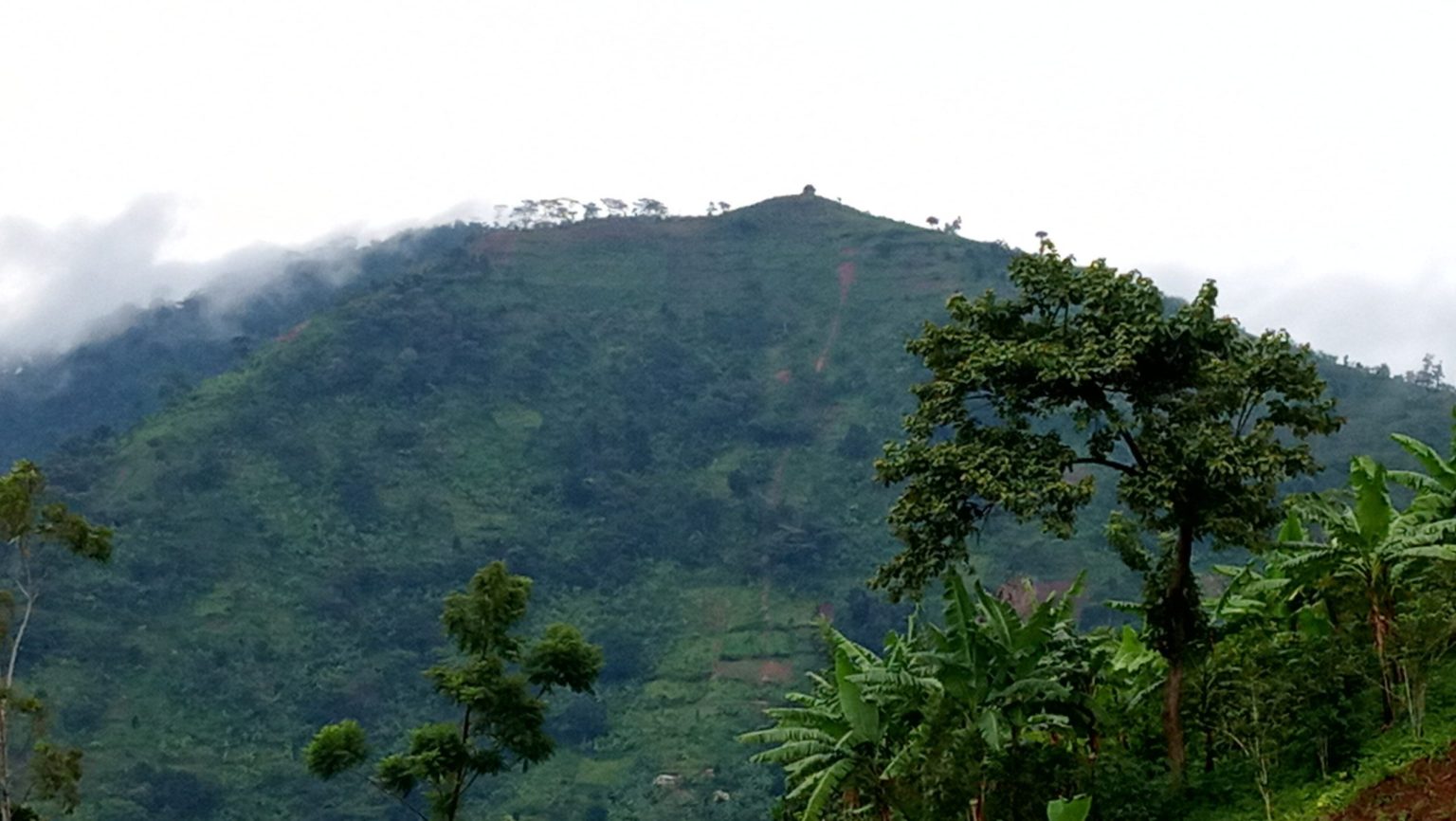
The best time to hike Mount Elgon is usually during the drier periods from June through August and from December into early March, when trails are more likely to be firm and upper mountain views can be clearer. Book around your preferred route rather than weather alone because rain can fall in any month. Mount Elgon rises to 4,321 metres on the Uganda and Kenya border, so altitude creates cold and fast weather changes.
Short answer. Choose June to August for one of the most dependable hiking windows. December to February is another strong choice. March to May is wetter, while September to November can bring more rain and mud. Every month still needs rain gear and warm clothing.
Best Time for Mount Elgon Hiking in January and February
Mount Elgon hiking in January and February often falls inside one of the preferred drier periods. Lower trails are more likely to be firm, and a multi day trek has a better chance of getting several useful walking windows without persistent rain. That does not mean dry ground every day.
At higher altitude, mist, wind and short rain showers can appear without much warning. Nights remain cold. The advantage of this period is not warmth but a lower chance of prolonged wet weather compared with the main rainy months.
This is a good time for Sasa if you want the steep first day to be less muddy. It also suits Sipi and Piswa, where extra days on the mountain increase the chance of meeting different weather along the route. Start early when possible because cloud can build later in the day.
Mount Elgon Hiking Conditions from March to May
Mount Elgon hiking from March to May is possible, but this is one of the wetter parts of the year. Rain can soften the lower trails, turn clay slippery and increase the time needed for steep descents. A hike that feels manageable on dry ground can demand much more concentration when every step needs grip.
The upside is water. Streams and falls carry more flow, and the lower slopes can look fresh after rain. If your goal includes Sipi Falls alongside the mountain, the wetter period can give stronger waterfall flow, but the same rain can make the community paths around the falls slippery.
A fixed trip in these months should not be written off. Pack better. Keep sleep clothing sealed inside the bag, take a proper waterproof shell, use trekking poles, and leave extra time in the day. Forum reports from mountain trips in Uganda repeatedly point to wet boots and cold camp clothing as bigger problems than a few minutes of rain.
Wet season rule. Protect the dry camp clothes first. A rain cover can leak around straps and seams. Put the sleeping layer, socks and electronics inside waterproof inner bags so one long shower does not affect the whole trek.
Best Mount Elgon Trekking Weather from June to August
June to August is one of the best times to hike Mount Elgon because rainfall is commonly lower and trail conditions tend to be easier. This is the period most often recommended across Uganda hiking guides and local Elgon planning pages.
Sasa benefits from firmer ground on the sharp lower climb. Piswa and Sipi benefit from more comfortable long walking days and a better chance of open views across the plains. Bushiyi can also be easier to reach when access roads are not being softened by repeated rain.
Do not pack as though the mountain becomes dry. The upper slopes can still receive rain, mist and wind. Temperatures fall with height, and the body cools quickly once walking stops. A warm layer and dry sleep clothing belong in the bag in August just as they do in April.
June to August can also attract more hikers than a wet month, though Mount Elgon remains much quieter than the busiest East African peaks. If your main aim is a summit trek with fewer weather problems, this is the first period I would consider.
Mount Elgon Hiking in September, October and November
Mount Elgon hiking from September into November tends to bring a higher chance of rain. The exact pattern can vary from year to year, and a dry morning can still become wet by afternoon. Trail surfaces are the main issue for hikers, not a simple question of whether it rains every day.
Long routes deserve more caution in this period because every extra day adds another chance of soaked gear. Piswa and Sipi remain workable with good equipment, but waterproof packing becomes part of the core plan. Sasa may feel harder on descent when the steep lower trail is slick.
November is also one of the months when Uganda can receive heavier rain in many areas. If you are flexible, moving the trip toward December can improve the odds of firmer trails. If the dates are fixed, keep the itinerary realistic and avoid planning a long road transfer immediately after the last mountain day.
Mount Elgon Hiking in December
December Mount Elgon hiking often marks the start of another drier window. It can be a good month for a summit plan, especially later in the month when the trails have had time to drain after wetter weeks.
Holiday travel can affect hotels and road transport even when the mountain itself is quiet. Book the room before the trek and the recovery night after it rather than assuming space will be available in Mbale or around Sipi.
Weather at 4,000 metres does not follow the same feel as Mbale. You can leave a warm city morning and still spend the night in cold mist on the upper mountain. Pack for the altitude, not for the temperature at the hotel.
Best Time for the Sasa Route on Mount Elgon
The best time for the Sasa Route is usually one of the drier periods because Sasa gains height quickly and has steep ground low on the mountain. Firmer soil makes the first day and the final descent more manageable.
Sasa is the route where a wet forecast matters most to walkers who are not confident on steep mud. Trekking poles help. Boots should have a sole that still grips after the tread fills with clay, and a slow descent is safer than trying to keep a dry season pace on wet ground.
If you have only three or four days and your dates are flexible, June to August or January and February offer a sensible target. If you are already travelling in a wetter month, add margin rather than cancelling automatically.
Best Time for the Sipi and Piswa Routes on Mount Elgon
The Sipi and Piswa routes are longer, more gradual options, so timing affects them in a different way. A single muddy slope is less defining than several days of repeated rain. Drying clothes and keeping a sleeping system protected become more important.
June to August works well for these routes. January and February are also good choices. During wetter months, the gentler gradient can still make the walking reasonable, but the longer schedule means you should be prepared to start a new day with damp boots.
Piswa can appeal to hikers who want a slower gain in height. Sipi works well for people who also want time around the Kapkwai and Sipi side of the region. Neither route becomes easy because the weather is dry. Distance and altitude remain part of the trek.
Best Time to Hike Mount Elgon for Waterfalls and Clear Views
The best time to hike Mount Elgon for waterfalls is not exactly the same as the best time for firm trails. Wetter months put more water into streams and falls. Drier months can give easier footing and a better chance of longer open views.
If Sipi Falls is a major part of your trip, decide which trade you prefer. Stronger falls can come with muddy paths. A dry season visit can be easier to walk, while the falls may carry less water than after weeks of rain.
High mountain visibility is never guaranteed. Cloud can close the upper slopes in any month. Build the trip around several parts of Mount Elgon rather than treating a clear summit photo as the only reason to go.
Do not chase a perfect forecast. Mountain forecasts are useful, but the upper slopes make their own weather. A good plan gives you suitable clothing and enough time, then accepts that cloud and rain may still arrive.
Choosing Your Mount Elgon Hiking Dates
Choose Mount Elgon hiking dates by combining season, route, fitness and the rest of the Uganda trip. A fit hiker on Sasa may care most about mud on the steep first day. A slower group on Piswa may care more about having enough days and dry camp gear.
If the trip also includes Sipi Falls, a night in Mbale and road travel back to Kampala, leave room around the trek. Rain can slow the trail and the road. A spare night after the mountain is more useful than a timetable that depends on reaching the final trailhead at an exact hour.
Mbale is a practical place to sleep before or after the hike. It lets you arrive at the mountain rested, keep non trekking luggage off the trail and return to a proper bed once the camping section is finished.
Best Time to Hike Mount Elgon FAQ
What are the driest months for Mount Elgon hiking? June through August and December into early March are commonly described as the better dry windows. Rain can still fall at any time because the upper mountain has fast weather changes.
Can I hike Mount Elgon in the rainy season? Yes. The park is visited throughout the year. Expect more mud, slippery ground, wet boots and a greater need for waterproof packing during the wetter months.
Is Mount Elgon cold at night? Yes. The upper mountain is cold after dark and before sunrise. Carry warm camp clothing even if Mbale or Sipi feels mild when you start the trip.
Which season is best for Sipi Falls and Mount Elgon together? Drier months are easier for combining a waterfall hike with a mountain trek because both sets of trails are more likely to be firm. Wetter periods can bring stronger waterfall flow but more mud.
How much is Mount Elgon park entry? Uganda Wildlife Authority currently displays USD 35 for foreign non residents, USD 25 for foreign residents and UGX 20,000 for East African visitors on its Mount Elgon page. Confirm all park and trekking charges with UWA before payment.
Does Mount Elgon close when it rains? Normal rain does not mean the park closes. Severe local conditions can still affect a trail or road, so ask for a fresh update from the ranger post or trekking provider before setting out.
Should I choose dates based only on weather? No. Route length, fitness, road transfers and your wider Uganda itinerary matter too. A longer plan with good equipment can work better than a rushed trek placed inside a dry month.
Mount Elgon Hotel & Spa in Mbale can be used for the night before your hike and for recovery after the mountain. Book around your confirmed trekking dates, then travel to the correct trailhead rested and with the weather gear already packed.