
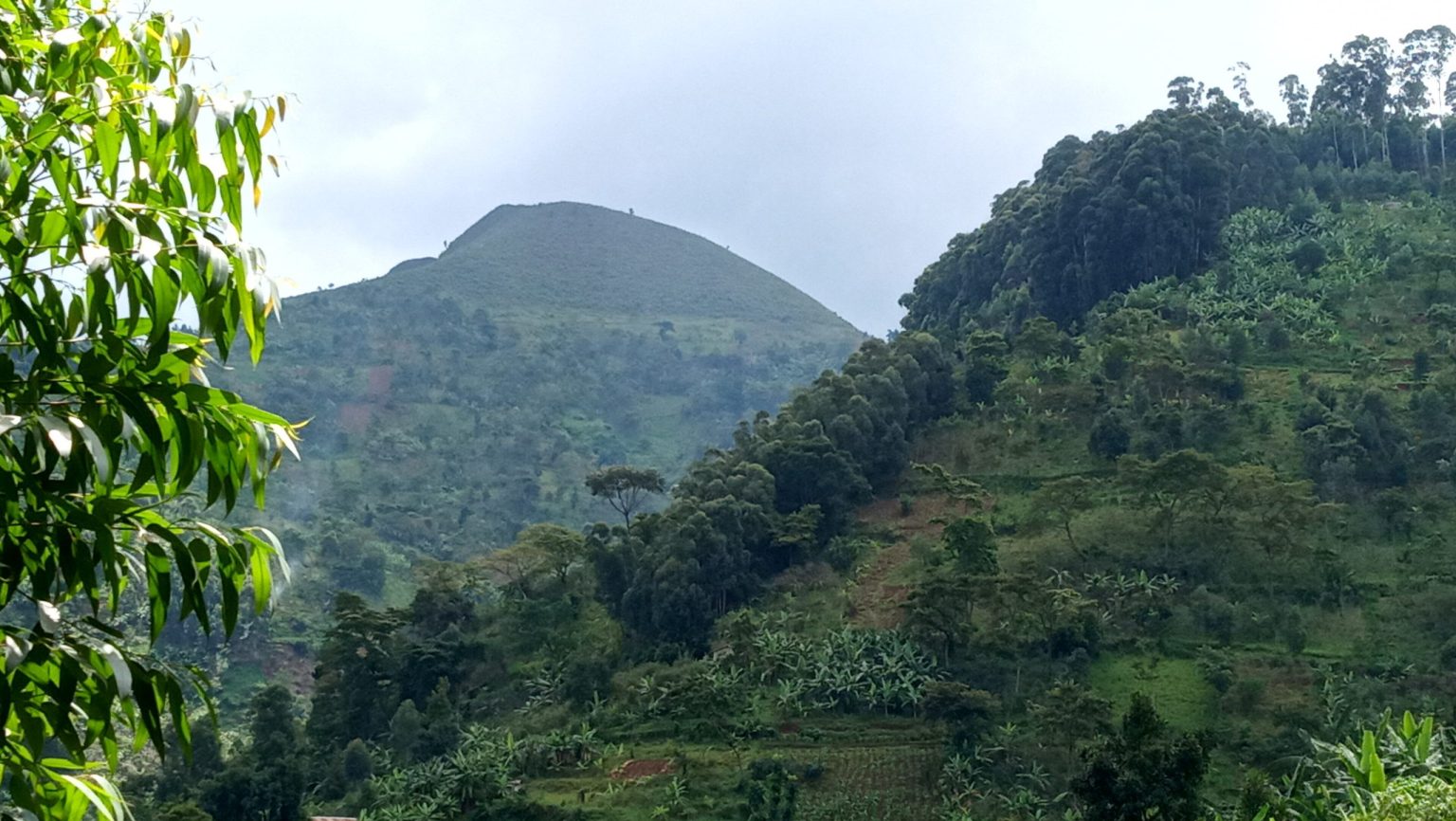
The best time to visit Mbale depends on what you want to do, but January and February plus the drier parts of June to August usually give easier conditions for hiking and road trips. Rain falls in every month, and the Mount Elgon area can change quickly. Mbale is an eastern Uganda city used for Wanale, Sipi Falls, Mount Elgon and regional trips.
Best Time for Mbale Outdoor Trips
Mbale outdoor trips work all year, but the easiest conditions usually come when rainfall is lower. Recent climate work for the Mbale region shows rainfall in every month, with January and February among the drier months and April, May and October among the wetter periods. The exact pattern varies from one year to another.
Temperature changes are smaller than rainfall changes. Days are usually warm in the city, while early mornings and higher ground around Mount Elgon can feel cooler. Rain is the main planning factor because it affects trails, visibility, transfer times and how much gear you need to keep dry.
If your trip is mostly restaurants, business meetings and city time, weather matters less. If the plan includes Wanale, Sipi or Mount Elgon, the month becomes more important.
Mbale Month by Month Trip Chart
This chart uses observed average monthly rainfall for the Mbale region from climate research covering a long observation period. It is a planning guide, not a daily forecast. Mountain weather can differ from conditions in the city.
| Month | Rain mm | Pattern | Trip use |
|---|---|---|---|
| January | 49.8 | Drier | Good |
| February | 50.9 | Drier | Good |
| March | 115.2 | Wetter | Mixed |
| April | 160.8 | Wet | Slower |
| May | 154.0 | Wet | Slower |
| June | 89.3 | Lower | Good |
| July | 92.9 | Lower | Good |
| August | 128.9 | Mixed | Good |
| September | 124.5 | Mixed | Mixed |
| October | 164.1 | Wet | Slower |
| November | 112.1 | Mixed | Mixed |
| December | 90.8 | Lower | Good |
Use the chart as a first filter. A month marked wet can still contain clear mornings, and a drier month can still bring heavy showers. Check the short range forecast again when you reach Mbale.
January and February Mbale Trips
January and February trips are a strong choice for visitors who want firmer paths and less rain on average. These months work well for Wanale hiking, Mount Elgon day walks and road trips that include Sipi Falls.
Dry ground does not mean cool ground. Midday sun can feel strong in Mbale, so start hikes earlier and carry water. Dust can also be more noticeable on unsealed local access roads.
February is often warm, while mornings in higher areas can still feel cool. Pack for both rather than dressing only for the city temperature.
March to May Mbale Tours
March to May tours need more flexibility. Rain usually increases in March and becomes heavier through April and May. Wanale paths can be slick, unsealed roads can slow and cloud may reduce long views from high points.
The same rain can make waterfalls more forceful. Travellers who care more about Sipi and Wanale water flow than dry hiking conditions may accept muddy footwear in exchange for stronger falls.
Do not cancel a whole day because rain is forecast. Morning and afternoon conditions can differ. Ask a local guide which route drains better and whether the activity should start earlier.
June to August Mbale Hiking Trips
June to August hiking trips are popular because conditions are often easier for walking than during the main wet months. Uganda Wildlife Authority material also identifies June to August as part of the more comfortable period for climbing Mount Elgon.
June and July tend to have lower rainfall than the wettest months, while August can be more mixed. Higher mountain ground remains cooler than Mbale City, so a light warm layer still belongs in a hiking bag.
This period also suits travellers combining business or city time with one outdoor day, because a more stable weather window makes scheduling easier.
September to November Mbale Trips
September to November trips sit in a more variable part of the year. September can still work well for hiking, but rainfall rises in many records toward October. November often remains mixed rather than reliably dry.
Use shorter range forecasts more heavily in these months. If Sipi is the priority, wetter conditions may be welcome. If a steep Wanale route or long Mount Elgon walk is the priority, build a backup city day into the itinerary.
Road travel remains possible, yet rural access roads may take longer after repeated rain. Leave more time between activities.
December Mbale Trip Conditions
December trips often move back toward lower rainfall, though showers remain possible. It is a useful month for families, couples and domestic travellers planning a short Mbale break with one or two outdoor days.
Holiday periods can increase demand at hotels and restaurants, so room availability may matter more than weather. Confirm accommodation before building a detailed activity schedule.
For hikers, the start of the drier period can be comfortable, but local trail conditions depend on rain in the days before your walk rather than the monthly average alone.
Best Time for Mount Elgon Hiking Trips from Mbale
The best time for Mount Elgon hiking is commonly linked to the drier periods. Uganda Wildlife Authority guidance says Mount Elgon can be climbed throughout the year, with June to August and December to March usually more comfortable.
That does not mean every day inside those months is dry. Carry rain protection on the mountain. The higher slopes can be wet, windy and much cooler than Mbale even when the city begins the day in sunshine.
For a day hike, weather flexibility is easier because you can shorten or change the route. Longer treks need a stronger wet weather plan.
Best Time for Sipi Falls Tours from Mbale
Sipi Falls tours have a different weather tradeoff. Drier months make walking easier and views can be clearer. Wetter months can bring stronger water flow but also muddier paths and more cloud.
If photography is the main goal, early morning can be useful before cloud builds. If hiking is the main goal, ask the guide about trail grip after recent rain. If coffee is the main goal, farm visits can still run in many weather conditions, though harvest activity varies by place and season.
There is no single best month for every Sipi visitor. Choose between easier walking and fuller water rather than treating one season as perfect.
Best Time for Wanale Hiking Tours
Wanale hiking tours are easiest after a run of drier weather. The community trails can become slippery when rain falls, and some routes pass steep ground. Early starts also help because the ridge can cloud over later in the day.
Wanale is close to Mbale, which gives it one advantage over longer trips. If the weather turns poor, you can return to the hotel and move the hike to another morning without losing a full transfer day.
For a short Mbale stay, that flexibility makes Wanale a useful activity to keep adjustable until the local forecast is clearer.
Packing for Mbale Trips in Changing Weather
Packing for Mbale trips should follow the activity rather than the monthly average. In a drier period, sun protection, drinking water and dust friendly clothing matter more. In wetter months, shoes with grip, a light rain shell and a dry change of clothing become more useful. Keep electronics inside a waterproof pouch if the day includes Wanale, Sipi or Mount Elgon.
Do not carry a heavy mountain wardrobe around Mbale City. One light warm layer is usually enough for early starts in town, while longer Mount Elgon treks need their own packing plan. A small day bag also makes it easier to leave spare items at the hotel rather than taking everything onto the trail.
Footwear deserves more attention than clothing. Smooth soles that are comfortable in town can become awkward on wet soil. If your trip contains even one serious hike, bring footwear chosen for that hike and use lighter shoes around the hotel.
Choosing a Mbale Hotel for Wet and Dry Trips
A Mbale hotel stay can make weather changes easier to manage. In wetter periods, on site dining, covered common areas and a spa give you something useful to do when a trail start is delayed. In drier periods, early breakfast and quick road access may matter more because you can leave for an outdoor trip at first light.
Ask whether the hotel can store wet gear, prepare an early meal and help move an activity to another day. Those practical details matter more than a generic claim about being close to the mountain. A flexible base lets you switch Wanale and Sipi between days when the local forecast changes.
Best Time to Visit Mbale FAQ
What are the driest months in Mbale? Long term climate records usually place January and February among the driest months. June and July also tend to be lower than the wettest periods, though rain can fall in every month.
What is the wettest time in Mbale? April and May are usually wet, and October can also receive heavy rainfall. The exact pattern changes from year to year, so monthly averages should be paired with a short range forecast.
Can I visit Mbale during the rainy season? Yes. City travel continues, Sipi can have stronger water flow and outdoor trips can still run. Expect slower roads, muddier trails and more need for a flexible schedule.
When is the best time to hike Mount Elgon from Mbale? Uganda Wildlife Authority identifies June to August and December to March as the more comfortable climbing periods, while noting that the mountain can be climbed throughout the year.
Does Mbale get cold? Mbale City is usually mild to warm, but mornings, rainy periods and higher ground around Mount Elgon can feel cool. A light warm layer is useful for early starts and mountain trips.
Do Mbale hotel prices change with the season? Yes. Rates can move with weekends, holidays, conferences, room demand and booking conditions. Check the live rate for your exact dates rather than using a seasonal average.
Mount Elgon Hotel and Spa can be used as a Mbale base in both drier and wetter months, with rooms, dining, Kwetu Spa, a pool and garden areas in the city. Share your dates and main outdoor activity before arrival so the hotel stay can be planned around the local weather and departure time.