
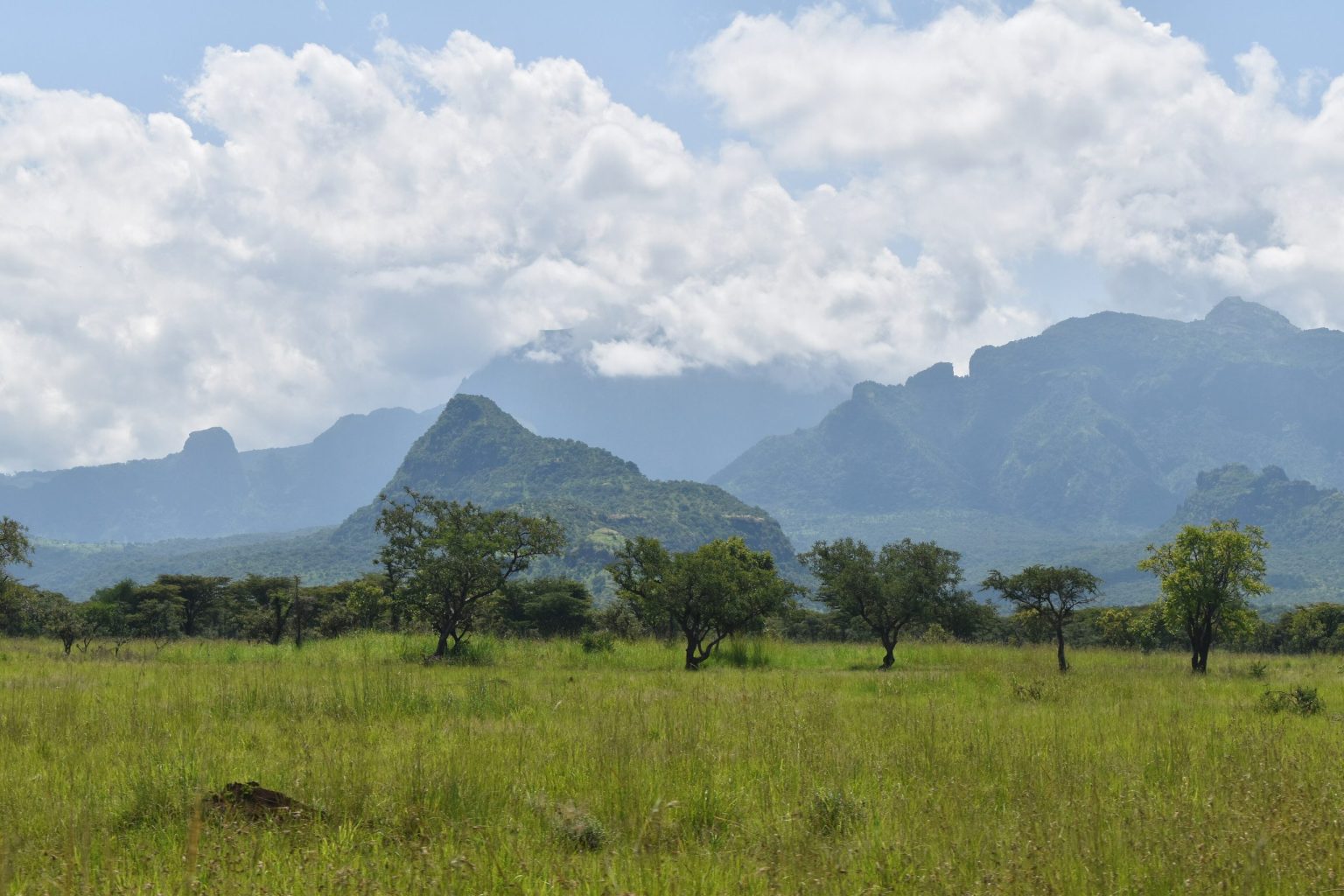
Pian Upe from Mbale is reached by travelling north from the city toward the Muyembe and Nakapiripirit corridor, then continuing to the reserve access point agreed with Uganda Wildlife Authority or your guide. The trip needs more time than a simple map distance suggests because the final access may involve slower roads and reserve tracks. Mbale is the practical southern service base for this wildlife route.
Which Road Takes You from Mbale to Pian Upe
The main Mbale to Pian Upe route heads north from the Mbale area toward Muyembe and the road leading into the Karamoja region. Pian Upe lies north of Mount Elgon, so the drive gradually leaves the busier Mbale corridor and enters more open country.
Do not use the reserve name alone as the final navigation point. Pian Upe covers a large area. Your actual destination may be a ranger post, a meeting place beside the main road, a campsite or a track leading into the wildlife viewing area. Ask for a pin or clear local directions from the person meeting you.
This is one of those routes where the last part matters more than the first. Tarmac can give way to slower access conditions.
How Long the Pian Upe Drive from Mbale Takes
Pian Upe from Mbale should be treated as a substantial road transfer, not a quick city excursion. Published travel pages give different distance and time estimates because they measure different points within or near the reserve. Road conditions also change after rain.
Allow room for fuel stops, slow vehicles and the final reserve access. If a guide tells you to meet at a certain time, work backward with a generous margin. Travellers repeatedly mention that Uganda road times can be longer than mapping apps suggest, especially once a route leaves the main urban corridors.
Leaving early is useful. It also gives you more wildlife viewing time at the other end.
What Vehicle to Use from Mbale to Pian Upe
A Pian Upe road trip from Mbale is easier with a high clearance vehicle. The main road can be manageable in ordinary conditions, but the reserve’s black cotton tracks can become muddy after rain. Uganda Wildlife Authority notes seasonal inundation in parts of Pian Upe.
A four wheel drive gives you more room for error, especially when you plan to enter wildlife viewing tracks rather than only reach a roadside meeting point. Carry a working spare tyre, drinking water and enough fuel for the planned route. Remote road travel is a poor place to discover that the spare has no air.
If you hire a vehicle with a driver, ask whether the driver has been to Pian Upe recently. Familiarity with the road is more useful than a vague promise that the car can go anywhere.
Fuel and Supplies Before Leaving Mbale
Mbale is the place to sort fuel, water, snacks, cash needs and basic supplies before the Pian Upe leg. Services become less predictable as you continue north. If the safari includes an overnight in a remote area, carry what you need rather than assuming you will find a full supermarket near the reserve.
Charge phones and cameras before departure. Network coverage can vary, and a portable battery is useful for a long road day. Keep offline directions or the guide’s phone number saved outside a messaging app.
A small cooler can also help if you are carrying lunch. Heat on the plains can be very different from the cooler air around Mbale and the Elgon slopes.
Can Pian Upe Be a Day Trip from Mbale
A Pian Upe day trip from Mbale is possible in planning terms, but it is not the best choice for every traveller. The problem is not just reaching the reserve. You also need meaningful time on wildlife tracks, then enough daylight and energy for the return drive.
If the road is dry, the meeting point is convenient and you leave very early, a long day may work. If you want a proper game drive, birding stops or a guided walk, an overnight closer to the reserve makes the schedule less rushed.
Wildlife does not appear according to your return deadline. A day trip becomes frustrating when the vehicle has to turn around just as the guide wants to search another area.
Where to Meet a Pian Upe Ranger or Guide
Pian Upe access from Mbale should be organised with a clear meeting point. Uganda Wildlife Authority manages the reserve, and visitors should confirm current entry and guiding arrangements before travel. Do not rely on an old blog naming one gate as if it is the only usable entry.
Ask for the ranger’s name, phone contact and meeting location. If possible, get a map pin. Then ask whether the first section inside the reserve is suitable for your vehicle. These small questions remove most of the uncertainty from the morning.
If your operator is handling the arrangements, request the same details anyway. It helps you understand the day’s timing.
What You Can See After Driving from Mbale to Pian Upe
The reason to make the Mbale to Pian Upe trip is the reserve’s open country wildlife and birding. Uganda Wildlife Authority records roan antelope, giraffe, buffalo, waterbuck, Uganda kob, mountain reedbuck, Jackson’s hartebeest and oribi. Cheetah and leopard are also recorded but should never be treated as routine sightings.
Birders can look for ostrich, secretary bird and other dry country species. The reserve’s scale means binoculars are useful even for people who are mainly interested in mammals.
Tell the guide what matters to you. A birder, a photographer and somebody hoping for roan antelope may spend the day differently.
Combining Pian Upe with Sipi Falls from Mbale
Mbale, Sipi Falls and Pian Upe fit naturally into one Eastern Uganda route, but they should not all be forced into a single day. Sipi is a mountain and waterfall stop. Pian Upe is a wildlife reserve with more remote road access. Each needs its own block of time.
One practical sequence is to stay in Mbale, visit Sipi or Wanale, sleep again, then leave for Pian Upe early the next morning. Another is to stay around Sipi first and continue north from the Elgon side. The exact order depends on where you are going after the reserve.
If Kampala is the final destination, returning through Mbale gives you a useful rest point before the longer western drive.
When Road Conditions Make Pian Upe from Mbale Harder
Rain is the main road variable on a Pian Upe trip from Mbale. The reserve contains black cotton soils and seasonal drainage. Once saturated, some tracks can hold vehicles or force a route change. That is why a recent local report is more useful than a generic statement about rainy season.
Ask about the previous few days, more than the month’s normal weather. If heavy rain has fallen, a ranger may recommend a different access point or a different track inside the reserve.
Do not pressure a driver to continue into a section they consider unsafe. Getting stuck far from the main road wastes far more time than changing the plan early.
Returning to Mbale After Pian Upe
If you return to Mbale after Pian Upe, aim to complete the remote track section in daylight. This makes navigation, puncture handling and road assessment easier. It also reduces the pressure to drive quickly on unfamiliar roads.
Back in Mbale, a full service hotel makes sense after a dusty wildlife day. Mount Elgon Hotel and Spa has rooms, dining, gardens, pool and spa services in the city, so it can work as the before and after base for a Pian Upe extension.
If you are continuing north instead, refuel whenever the opportunity is reliable. Distances in Karamoja deserve more planning than an urban transfer.
Public Transport Versus Private Transport from Mbale
Travel from Mbale to Pian Upe is much easier with private transport because the reserve visit begins after the intercity part of the trip. Buses and shared taxis can move travellers toward towns on the northern road, but they do not solve the final wildlife access, ranger meeting or game drive.
A private vehicle also lets you leave early and stop for fuel or supplies without depending on a departure schedule. For two or more travellers, the convenience can matter more than the difference in transport cost.
If you prefer public transport, arrange the final transfer and guide before leaving Mbale. Do not arrive in a nearby trading centre and assume a safari vehicle will be waiting.
Food, Water and Overnight Planning for Pian Upe
A Pian Upe trip from Mbale can involve long gaps between reliable food stops. Carry enough drinking water and ask whether lunch is included with your guide or accommodation. A packed meal makes more sense than leaving a wildlife track because somebody assumed a restaurant would be nearby.
For an overnight, confirm whether meals, bedding and charging facilities are included. Remote accommodation can be simple. That is not a problem when you know what to expect, but it becomes one when the plan was built around city hotel services.
On the return, Mbale gives you the easiest place to rest, eat properly and reset before the next section of the Eastern Uganda route.
Pian Upe from Mbale FAQ
How far is Pian Upe from Mbale?
Published figures vary because Pian Upe is large and different pages measure different access points. Plan the drive around the exact ranger meeting point rather than one generic reserve distance.
Can I visit Pian Upe from Mbale in one day?
Yes in some conditions, but it creates a long day and can reduce wildlife viewing time. An overnight closer to the reserve is better when you want an unhurried game drive.
How much does Pian Upe cost from Mbale?
Your total depends on vehicle hire, fuel, reserve entrance and the activities arranged. UWA tariffs can change, so request the latest entrance and guiding charges directly before travel.
Do I need a ranger in Pian Upe?
Local guiding is strongly useful in such a large reserve. Confirm current UWA rules and arrange the guide or ranger before leaving Mbale.
Is the road from Mbale to Pian Upe paved?
The main northbound road is much better than the old route descriptions found on many travel pages, but final reserve tracks can still be rough or muddy. Ask for current access conditions.
What is the best time to leave Mbale for Pian Upe?
Early morning gives you the largest daylight margin and more time for wildlife viewing. Confirm the ranger meeting time first, then leave with extra road time built in.