

NGO workshops in Mbale work best when the venue brings meeting space, guest rooms, meals, reliable internet and local transport into one plan. For multi-day training, regional consultations and partner meetings, a hotel base here saves you a great deal of coordination. Mbale serves Eastern Uganda and gives visiting teams practical access to Mount Elgon, Wanale and Sipi Falls. We host a lot of these.
Why NGOs Meet in Mbale
Mbale is a practical regional meeting point for organisations working across Bugisu, Sebei, Bukedi and the rest of Eastern Uganda. Teams from Kampala reach the city by road, and district-based staff avoid the extra time and cost of travelling all the way to the capital. That matters when a programme brings field officers, community partners, district officials and head office staff into the same room.
The city also has a strong service base. Hotels, restaurants, banks, health facilities, shops and transport are all close enough that your workshop team can deal with ordinary operational problems without going far. If a participant arrives late, needs printing, wants mobile money or has to replace a charger, that is easily solved here.
And Mbale gives your programme a clean break from the office, which helps when the work needs full attention for two or three days. The change of setting is real, but you are still in a working city rather than an isolated retreat site.
Choosing the Right Room
The first venue question is not how the hall looks. It is whether the room fits the work. A training session with breakout discussions needs a different setup from a donor review, a partner consultation or a one-day planning meeting. Classroom seating suits note-taking. Boardroom suits a small decision group. Theatre fits a larger briefing where most people face one speaker.
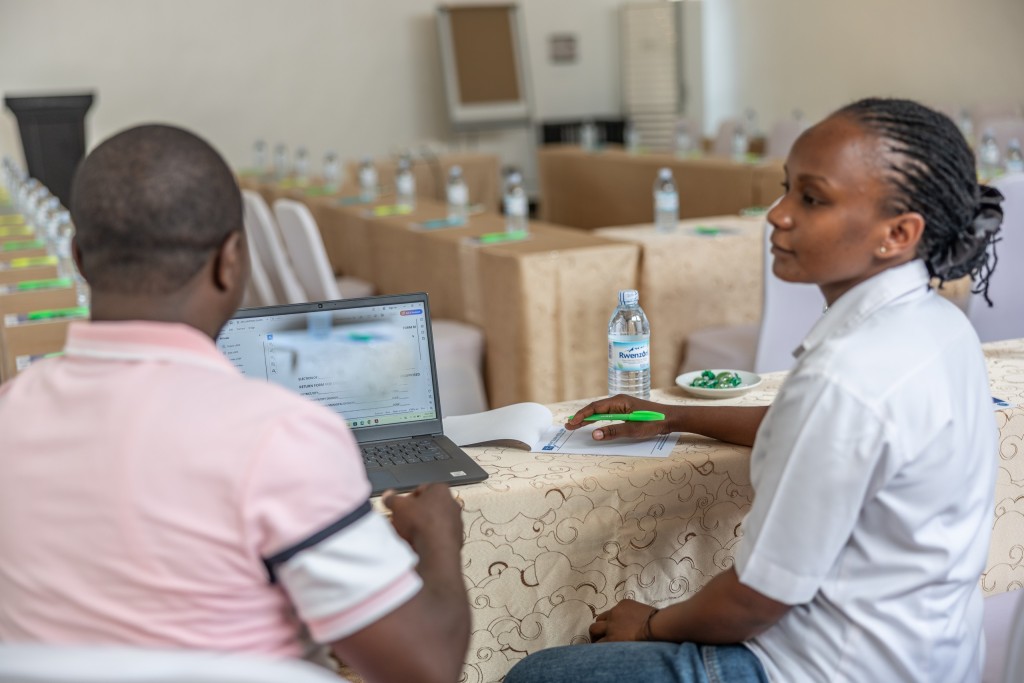
Ask us to describe the layouts we can give you before you confirm anything. Check where the screen sits, whether your participants can move between tables, whether there is space for registration, and whether your facilitators can put flip charts up without blocking a door. A room that is technically big enough still feels wrong when the layout fights the programme.
Natural light, ventilation, sound and nearby washrooms matter far more after the first hour than any decorative detail. On a long training day, comfort decides attention. And if your workshop involves confidential discussion, ask us whether another event will be running next door — we will tell you.
Residential Workshops
A residential workshop keeps the accommodation and the sessions on the same property. If you are bringing staff from several districts, that removes most of the transport work. Your participants wake up where the first session happens, meals are easier to time, and an evening discussion does not need another transfer.

Room planning still needs care. Confirm with us how many delegates need single rooms, how many can share, whether facilitators need their own rooms and how drivers or support staff are being handled. If people arrive on different days, send us a rooming list with names, arrival dates and departure dates.
It also helps attendance. Someone staying on site does not lose an hour each morning to local traffic or miss an evening session because of transport. Across a three-day programme that adds up to a lot of contact time.
Our meeting rooms, guest accommodation, dining and gardens all sit inside the one operation here in Mbale, and we can change the room layouts for different meeting formats. The full picture of the property is on the hotel page.
Internet, Projection and Equipment
Most NGO workshops now depend on cloud documents, video calls, online reporting tools and live presentations. Ask us about the internet in the actual meeting room rather than at reception — a connection that works in a bedroom does not behave the same way when a full training group logs on at once, and we would rather test it with you than let you find out.
For projection, confirm the projector, screen, sockets and backup with us before the day. Ask about HDMI connections, extension cables, microphones and speakers. And if your session depends on one unusual adaptor, bring it yourself.
Flip charts still matter, and so do markers that work. Ask us for those early, especially if you are running several breakout groups at once. Match the stationery to the session plan rather than ordering it out of habit.
Power backup is the other practical question. Your workshop can carry on through a short interruption if the venue has a working backup and your facilitator has offline copies of the key material. Ask us about ours.
Catering
Food timing makes or breaks an agenda. Tea arriving twenty minutes late pushes every session behind it. A heavy lunch makes the first afternoon session hard work. Agree serving times, menu style and dietary needs with us before your delegates arrive.

A full-day programme usually takes morning tea, lunch and an afternoon break. A residential workshop adds breakfast and dinner. The exact plan depends on your arrival times, session lengths and whether you have anything running in the evening.
Collect dietary information at registration and send it to us. Vegetarian meals, allergies, medical diets and religious requirements are far easier for our kitchen to handle in advance. Do not leave participants negotiating their food needs at the buffet table.
Masaaba Restaurant handles our conference catering, and we do tea breaks, working lunches, buffet dinners and group meal planning. Ask us for the current menu and agree what will be served on your dates.
Transport and Arrival
For teams coming from Kampala, the road takes several hours depending on traffic, stops and conditions. Do not put a major session immediately after the expected arrival time — one late vehicle then disrupts your whole opening.
Regional participants come from Soroti, Tororo, Kapchorwa, Bududa, Manafwa, Namisindwa and elsewhere. Ask each group how they are travelling. Some organisations pool vehicles; others reimburse public transport. Your registration desk should know who to expect before lunch and who may arrive in the evening — and so should our reception.
If vehicles are being used through the workshop, settle parking and driver arrangements with us. Your drivers may need meals and rooms as well, and that is the detail most often missed when the programme team is concentrating on delegates.
Government and District Partners
Many workshops here include district technical officers, elected leaders, health teams, education staff, community organisations or ministry representatives. Their attendance shapes the programme, because official schedules change at short notice.
Build space into the agenda for late arrivals and formal opening remarks without letting the whole workshop become ceremonial. If an official is opening the event, prepare a version of the agenda that still works when they arrive later than planned. We can hold the room and the tea accordingly.
For a consultation, be clear about what your participants are being asked to decide. We can give you the room; the useful workshop still depends on a clear objective, good facilitation and a record of what was agreed.
Adding an Extension
Some teams add a short social activity after the formal programme. From here that can be an easy walk, an evening in the gardens, a trip around the city, or an outing toward Wanale, Sipi Falls or Mount Elgon. Fit it to the time you have and to the fitness of your group.
A team building outing should never eat the core training time. Put it after the main work, or use it to close. For a short workshop, dinner in our garden is often enough.
Our conference facilities are in the city and the wider Elgon region is reachable from here, which is what makes the combination practical. Confirm any outside activity separately — the transport, the guides and the weather all need their own answer, and we will not promise you someone else’s service.
Requesting a Proposal
A good request lets us quote without guessing. Give us the organisation name, workshop dates, participant numbers, nights, room arrangement, meeting setup, meals, equipment and any transport. Tell us if taxes or service charges need to be shown separately for your procurement process.
If your organisation works through purchase orders, supplier registration or framework agreements, say so at the start. We will tell you which documents we can provide and what payment process applies.
Ask us to show what is included. Do not assume that meeting space, projector hire, stationery, drinking water, tea, lunch and accommodation all sit inside one rate — a clear scope protects you and us equally.
NGO Workshops FAQ
Is Mbale suitable for a multi-day NGO workshop?
Yes. There are hotels here with meeting rooms, accommodation, food service and regional transport links. It works well when you are bringing staff and partners from several Eastern Uganda districts.
Can you host NGO workshops?
Yes — workshops, conferences, institutional meetings and residential events are a regular part of our business. Confirm the room setup and availability with us for your dates.
How much does it cost?
There is no single price. It depends on participant numbers, room type, nights, meals, meeting room needs, equipment and transport. Ask us for a written proposal against the actual programme.
What should a residential proposal include?
Meeting space, guest rooms, meals, tea breaks, equipment, water, stationery if you need it, taxes and any transport — all as clear line items.
Can a workshop include team building nearby?
Yes. Wanale, Sipi Falls and the Mount Elgon area work as optional extensions, and simple garden or city activities suit shorter programmes.
How early should we book?
Once your dates and estimated numbers are reasonably firm, particularly for a residential event or a larger group. Early contact gives us room to settle accommodation, layout and meal planning properly.
Plan Your Workshop With Us
We can bring meeting rooms, delegate accommodation, meals and access to Mbale into one programme. Send our events team your dates, participant numbers, room needs and draft agenda and we will build a proposal around the actual event. Call +256 709 748 009 or +256 781 392 961, or email info@mountelgonhotel.com. Mount Elgon Hotel & Spa, Plot 30 Masaba Road, Mbale.