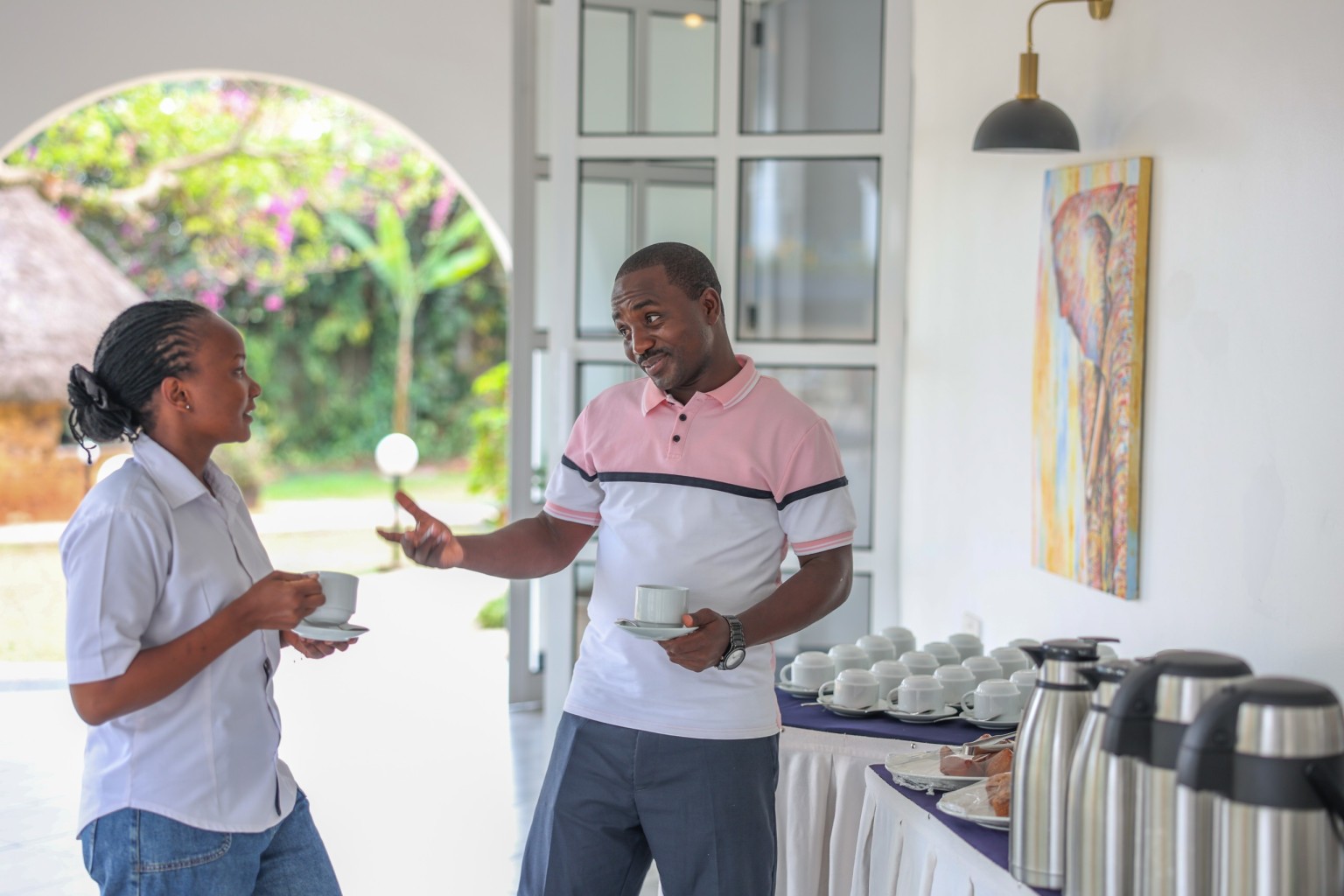
Team building in Mbale can combine practical group activities with meeting space, gardens, meals and short trips toward Wanale, Sipi Falls or the Mount Elgon area. The right programme depends on your team, not on an activity list. Some groups need light social time after a workshop; others need a full day built around communication, planning, movement and shared tasks. We can host either.
Why Companies Choose Mbale
Mbale gives your team a setting outside Kampala without losing the practical support of a city. You can hold a morning meeting with us, have lunch on site, and use the afternoon for activity. A residential retreat stretches that format across two or three days.
The city sits close to hills, waterfalls, coffee country and Mount Elgon, which gives you more variety than a venue where every activity has to happen inside one compound.
For teams already working in Eastern Uganda, coming here also cuts the travel. Staff from several districts meet in a central city rather than driving west toward Kampala.
The setting should still serve the work, though. If your team needs a serious planning session, do not spend most of the day travelling to an activity site — and we will say so if your draft programme does.
Start With the Goal
Do not pick activities because they photograph well. Ask what problem your team is working on. Communication, trust, role clarity, morale and planning are different goals and they need different days.
A group with new staff benefits from simple tasks that get people talking. A management team needs fewer games and more structured problem solving. A large department needs activities that mix people who rarely work together.
Be realistic with yourself. One afternoon does not repair a deep organisational problem. Team building helps when it supports better day-to-day work; it is not a substitute for a management decision.
Hotel-Based Activities
A programme on our property is usually the simplest option for a mixed group. Activities use the gardens, the meeting rooms and the dining areas without a long transfer, which makes it easy to combine formal sessions with games, reflection and meals.
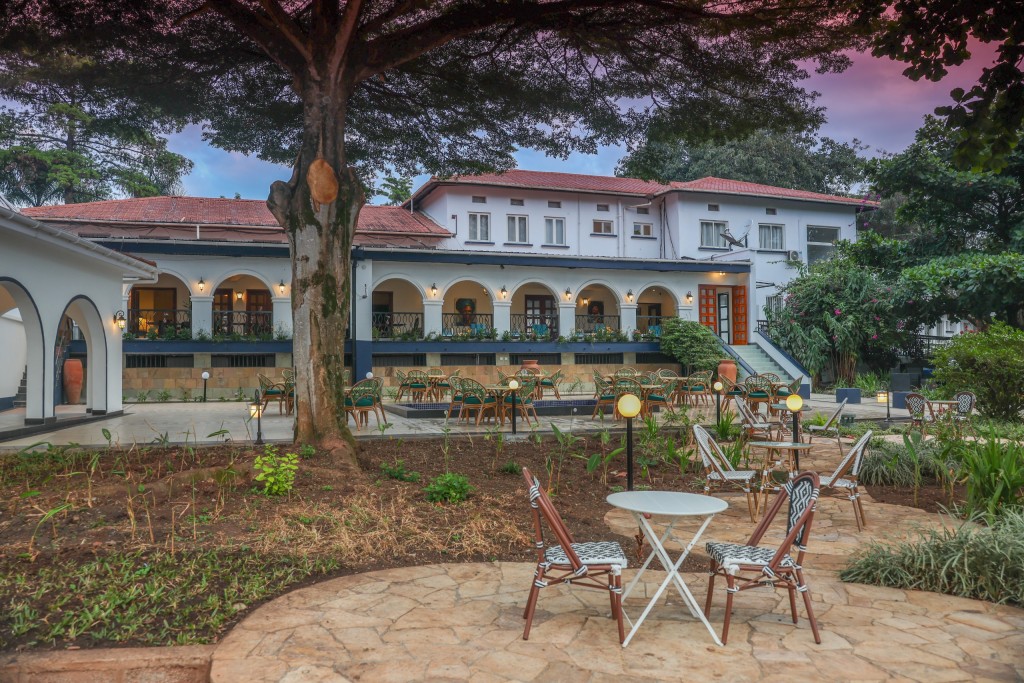
Garden tasks can be communication games, relay-style challenges, paired problem solving and simple group exercises. Whoever facilitates should pick tasks that do not embarrass anyone or push people into physical activity beyond what they are comfortable with.
Indoor activities cover you when rain changes the plan. Small group case tasks, role exercises and problem-solving sessions keep people engaged without needing an outdoor field, and we can move you inside at short notice.
We host corporate retreats and team building regularly, and our gardens sit right beside the meeting and dining facilities, which is what makes the day easy to run.
Wanale for an Active Day
Wanale is close to Mbale and adds a walking element to a team programme. It suits groups who are comfortable on uneven ground and have the time for the outing.
Do not make a hill walk compulsory for every employee. Fitness, health, footwear and weather all differ across a team — offer an alternative for the people who should not take part, and mean it.
A Wanale outing works best when the schedule is simple: travel out, walk with a local guide, come back to us, then eat or meet. Adding several other stops turns a team day into transport management.
Sipi Falls and Mount Elgon
Sipi Falls works as a bigger retreat extension when you have a full day outside the city. Walking, coffee activities and time away from the meeting room give colleagues a different way to interact with one another.
The Mount Elgon area offers longer walks and nature-based options, and those need more planning than a garden activity. Settle transport, guides, weather, footwear and fitness before your group leaves the hotel — we can help with the arrangements.
Keep the purpose of the day in view. If the outing leaves everyone exhausted before an important planning session, the order is wrong. Put the formal work before the outdoor activity.
Mixed Age and Fitness
Most work teams contain people of very different physical ability. Good planning gives everyone a way in. Combine low-movement activities, moderate outdoor tasks and optional walking rather than pushing the whole team to one level.
Ask privately about mobility or health needs at registration. Do not make your employees disclose personal information in front of colleagues.
Give practical clothing advice in advance. If the programme involves walking, tell your participants before they travel so they arrive with the right shoes and rain protection.
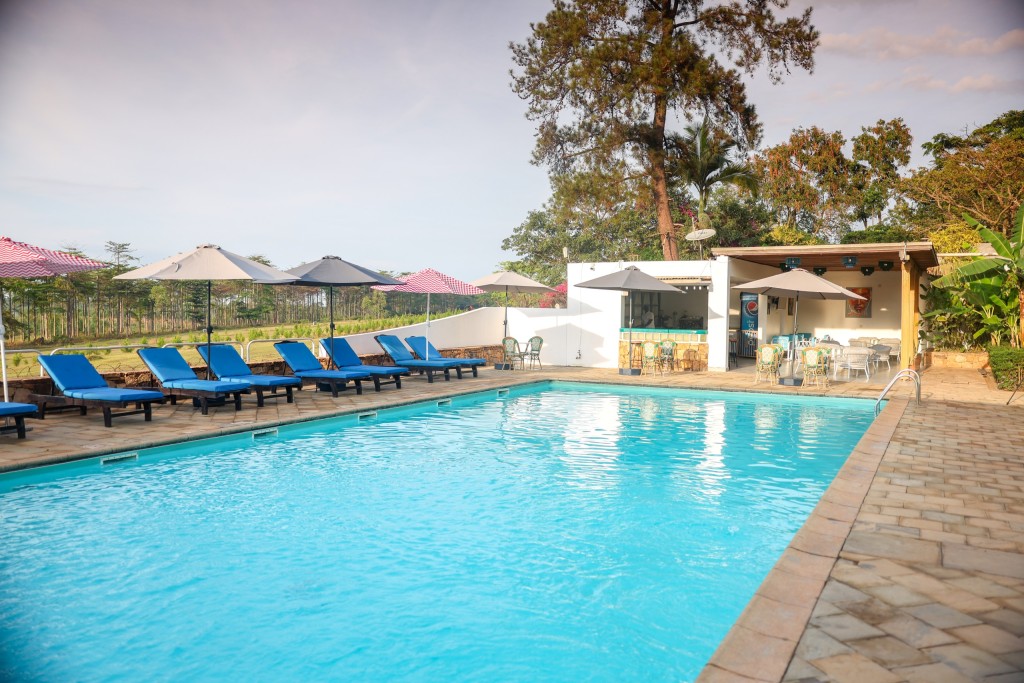
Shade, drinking water and rest time matter on an active day, and we will make sure they are there. Your facilitator should also be able to shorten an activity when the weather or the group changes.
Combining It With a Retreat
A corporate retreat can use team building as one part of a wider programme. Day one covers strategy, performance or planning; day two moves into group activities before everyone travels home.
That gives the activities some context. Your staff know what the organisation is working on and can connect the social side of the retreat to actual working relationships.
A residential hotel makes it easier to manage. Meeting rooms, bedrooms, meals and evening space are together, and you add outside activities only where they earn their place.
Our position in Mbale is what makes that combination work: meeting facilities here, and Wanale, Sipi Falls and Mount Elgon within reach for the optional extensions.
Food, Transport and Timing
Team building days run late, because moving between activities always takes longer than the plan says. Build gaps into the schedule. If your team is leaving the hotel, allow time for boarding, a briefing and the traffic on the way back.
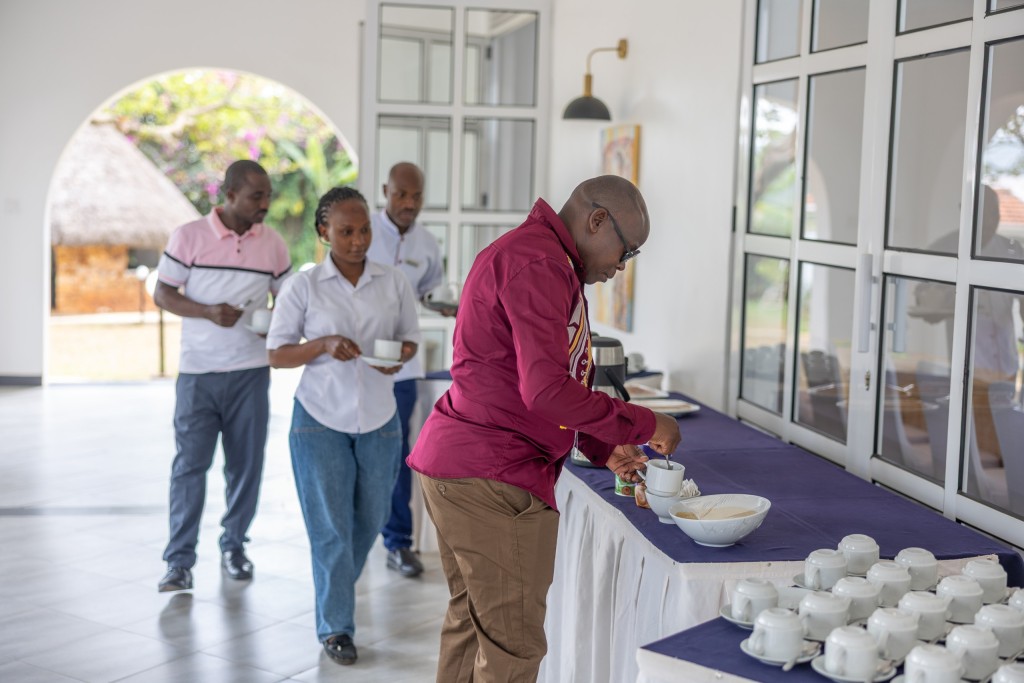
Match the meals to the level of activity. A heavy lunch immediately before a long walk is a mistake. On an active day, keep water easy to reach — tell us and we will put it out.
If you are using buses or vans, confirm parking and driver arrangements with us. On a residential programme your drivers may need meals and rooms too, and we would rather have them on the list.
Do not announce a precise return time to your participants unless the route and the activity duration actually make it realistic.
Facilitated or Self-Led?
Some teams need a facilitator; some do not. If the goal is light social time after a meeting, you can probably run simple group activities yourselves. If the day is meant to address communication, working relationships or cooperation across departments, an experienced facilitator gives the exercises structure.
Ask a facilitator what they will actually do before you book them. A good one explains the purpose of each activity, changes the plan when a task is not working, and leads a short discussion afterwards. A string of competitive games with no connection to the workplace can be enjoyable, but it is entertainment rather than team work — know which one you are buying.
Decide too how competitive the day should be. Some staff love races and scoring; others do better with joint tasks where the whole group has to solve something. Mixing the two stops the same confident people dominating every activity.
Wet Weather
Any outdoor plan around Mbale needs a rain option. A garden activity can be moved, shortened or replaced when the ground turns slippery. If your team is heading for Wanale, Sipi Falls or Mount Elgon, take that decision before departure — poor weather turns some of those activities into a safety problem.
Being based here makes the change easy, because our indoor meeting rooms and covered areas can carry part of the programme. Your facilitator switches to small group tasks, communication exercises or planning games without losing the day.
Tell your staff to bring practical clothing when outdoor activity is likely — but do not build a programme that assumes every participant owns hiking gear. Everyone should know the physical demand before the invitations go out.
Give the transport the same flexibility. Your drivers should know which activities are optional and where the team meets if the outdoor part is cancelled.
Making It Useful Afterwards
A team day should leave more than photographs. Near the end, give people time to name one or two things that would make ordinary work easier: a clearer handover between departments, a better meeting habit, a simple rule about who owns a recurring task.
Keep it practical. If the event was mainly social, you do not need a long emotional session. A short debrief connects the day back to work without making people feel every game is being turned into a management lesson.
Then follow up on the few actions agreed. If nothing changes afterwards, your staff will treat the next team building day as recreation. That may still be worth doing — just be honest with yourself about what you are buying.
Team Building FAQ
What team building can companies do in Mbale?
Hotel garden activities, indoor group tasks, Wanale walks, Sipi Falls outings and wider Mount Elgon activities. What suits you depends on the group and the purpose of the day.
Can you host team building?
Yes. We host team building and corporate retreats, with gardens, meeting space, food service and accommodation on the property.
How much does it cost?
There is no single price. It depends on group size, facilitator, meals, transport, accommodation and any outside activity. Ask us for a proposal against your actual programme.
Is Wanale suitable for company team building?
It can be, for an active group. Think about fitness, weather, footwear and guides, and have an alternative for staff who cannot take part.
Can a team building event include a conference session?
Yes, and most do. Meet first, then move into activities later in the day or the following morning.
How long should a programme last?
Anything from a few hours to a full residential retreat. Choose the length from the goal rather than filling a timetable with extra games.
Plan Team Building With Us
Mount Elgon Hotel & Spa can provide the meeting space, accommodation, meals and garden base for your team programme in Mbale. Send our events team your group size, dates and the mix of meeting time and activities you want, and we will plan the hotel side around it. Call +256 709 748 009 or +256 781 392 961, or email info@mountelgonhotel.com.