
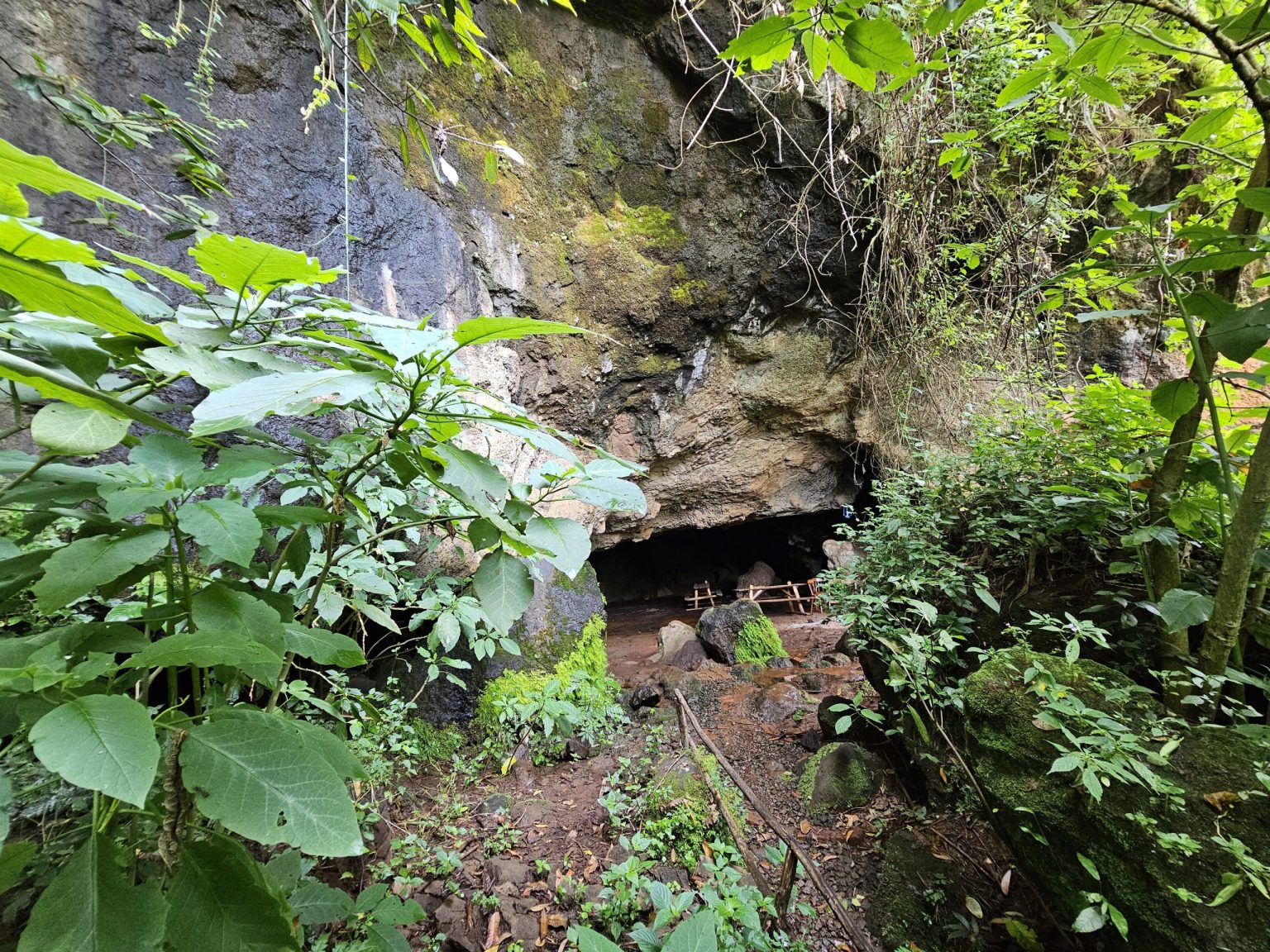
Cultural tours around Mbale are best built around Bamasaba history, Imbalu traditions, Mutoto, local food, coffee, markets, Wanale and community stories rather than a rushed collection of performances. Mbale is the main urban base for Bugisu culture in eastern Uganda, and a good cultural tour gives context before moving into villages or nearby heritage sites. The result is a trip that explains the region instead of merely passing through it.
What Cultural Tours Around Mbale Should Cover
A useful cultural tour around Mbale begins with place and people. Mbale sits below Mount Elgon in Bugisu, a region strongly associated with the Bamasaba, also widely called Bagisu in Uganda. Local cultural identity reaches beyond the city into Sironko, Manafwa, Bududa, Bulambuli and Namisindwa, so Mbale works well as the starting point for a wider reading of the region.
The strongest tours combine several kinds of cultural material. Oral history explains clan identity and the relationship with Mount Elgon. Food introduces everyday household traditions. Coffee links farming with income and regional identity. Markets show current life rather than a staged version of culture. Sites such as Mutoto and Wanale add historical meaning. No single stop can explain Bugisu on its own.
Good planning rule: choose one cultural theme for the morning and one for the afternoon. Too many short stops can turn a cultural day into a transport schedule with very little conversation.
Bamasaba Culture and Why Mbale Matters
The Bamasaba identify strongly with Masaaba, the name connected with Mount Elgon in local tradition. Mbale District tourism material describes Masaabaland as extending across parts of eastern Uganda and western Kenya. It also records the tradition of Masaaba and his sons, including Wanaale, whose name remains tied to the ridge above Mbale.
This matters for visitors because many places around the city are easier to read once that relationship is explained. Wanale is more than a hiking destination. Coffee is more than an agricultural product. Imbalu is not simply a public event for spectators. A cultural guide should explain how family, clan, farming, initiation and mountain geography connect with one another.
There is also a modern side to the story. Mbale is a working city with schools, businesses, churches, mosques, markets, offices and a mixed population. Cultural tourism should never pretend that local life stopped in the past. The strongest guide will move between history and ordinary present day life.
Imbalu and the Mutoto Cultural Site
Imbalu is one of the best known Bamasaba traditions. It marks male initiation and is linked with family responsibility, public ceremony, song and dance. Public Imbalu activity is associated with ceremonial seasons rather than something that can be ordered for a visitor on any random day.
Mutoto, close to Mbale, is widely associated with the public opening of Imbalu ceremonies. A visit outside a ceremonial period can still be worthwhile when a local guide explains the place, the role of families, the sequence of events and why visitors should treat the subject with respect.
Photography needs judgement. A public celebration may look open to cameras, but individual participants and family rituals are not automatically public property. Ask before photographing people at close range. A guide who understands local expectations is far more useful here than somebody who only knows the road.
Respect test: if a part of the visit involves a person, family ceremony or private compound, ask before taking a photograph. Public space does not remove the need for courtesy.
Traditional Food and Malewa in Mbale
Food is one of the easiest ways to make a cultural tour practical. Mbale District tourism material uses malewa as an example of local culinary tourism. Malewa is made from bamboo shoots and is strongly associated with Bagisu food culture.
A good food stop should explain preparation, when the ingredient is available, how it is preserved and what it is commonly served with. The point is not to collect a photograph of a plate. It is to understand why a food remains part of local identity.
Visitors can also use a meal to ask wider questions about crops, household cooking, market shopping and food changes in the city. This often produces better conversation than a formal performance because people are discussing something they deal with every day.
Mount Elgon Hotel can work as a comfortable base for these days, with meals and rest in Mbale before or after time spent with community guides. The cultural content should remain about the region, while the hotel provides the practical base.
Coffee Culture Around Mbale
Arabica coffee is closely tied to the Mount Elgon slopes, and Mbale is one of the main urban centres connected with that production area. A coffee visit around Mbale can cover farming, picking when in season, processing, drying, roasting and tasting. The exact activity depends on the farm and time of year.
Coffee also opens a useful conversation about work and trade. It links hillside farms with traders, processors, exporters and city businesses. That makes it a cultural subject as much as an agricultural one.
This page should not replace a dedicated Mount Elgon coffee tour guide. The cultural angle is different. Here, coffee sits beside food, markets, family history and city life. A visitor interested only in coffee production should use the dedicated coffee page, while somebody seeking a wider Bugisu cultural day can include one coffee stop within a broader plan.
Wanale, Caves and Local Stories
Wanale rises above Mbale and appears repeatedly in local tourism material because of its physical presence and cultural links. The ridge has caves, walking routes, waterfalls and viewpoints, but its value on a cultural tour comes from the stories attached to the place.
Local accounts connect Wanaale with the wider Masaaba tradition. The ridge also carries community, farming and spiritual associations. A guide can explain those layers while walking rather than treating the hill only as exercise.
Do not force a full Wanale hike into a cultural day unless the group wants a physical activity. A shorter community walk, cave visit or lower slope stop may leave more time for conversation. Travellers who want the complete hike should use the separate Wanale Ridge guide and plan the day around walking conditions.
Markets, Craft and Everyday Mbale
Markets are useful because they show culture as ordinary life. Produce, clothing, household goods, transport, small restaurants and street trade reveal how the city actually functions. A short guided market visit can explain local foods, seasonal produce and common buying habits without turning people at work into exhibits.
Craft shopping can support local makers when the source is clear. Ask who made an item and where it comes from. A souvenir sold in Mbale is not automatically from Bugisu. That small question improves the quality of the visit and helps visitors spend with more awareness.
The same applies to music and dance. A planned cultural performance can be worthwhile, but it should be presented honestly as a performance. Community life is broader than a stage program.
Build a better cultural day: combine one heritage site, one food or coffee stop, and one ordinary city or community setting. That mix gives context without exhausting the group.
How Long to Allow for Cultural Tours Around Mbale
Half a day works for one focused theme such as Mutoto plus a meal, or a city market plus a coffee visit. A full day gives enough time to combine history, food and a community stop without rushing. Two days work better when Wanale, coffee farms or surrounding districts are included.
Travel time changes quickly once the route leaves Mbale. Roads into hillside communities can be slower than map distance suggests, especially after rain. Start with the places that matter most and leave flexible time around them.
For travellers already staying in Mbale, the city makes a practical base because it has accommodation, meals and onward road links. This reduces the need to pack and move every night while exploring different parts of Bugisu.
How to Arrange a Respectful Cultural Tour
Use a local guide or community contact who can explain what is appropriate at each stop. Ask what is public, what requires permission and whether a contribution or local guide fee is expected. If a ceremony is happening, the host community sets the rules.
Wear ordinary respectful clothing. Carry water and rain protection if the day includes hillside communities. Keep questions curious but not intrusive. Topics around initiation, family, religion and politics can be personal, so let the guide judge where a conversation should stop.
A cultural tour works best when the traveller is not trying to perform local life for the camera. Listen more. Ask simple questions. Give people time to answer.
Combining Cultural Tours With Other Mbale Activities
A cultural day does not need to stand alone. Visitors can combine a morning community or heritage visit with an afternoon in Mbale, a short Wanale outing or a meal at the hotel. The key is to keep the cultural part long enough for real conversation.
If Sipi Falls or Mount Elgon is also on the trip, place the cultural day before or after the more physical activity. That creates variety and gives travellers time to recover while still learning about the region.
Cultural Tours Around Mbale FAQ
What is the main culture around Mbale? Mbale is strongly associated with the Bamasaba, commonly called Bagisu in Uganda. Their cultural territory extends across several districts on the Mount Elgon side of eastern Uganda.
Can visitors see Imbalu at any time? No. Public Imbalu ceremonies follow cultural timing and are not an everyday tourist activity. Outside ceremonial periods, visitors can still learn about the tradition through local guides and heritage sites such as Mutoto.
What food should I try on a cultural tour in Mbale? Malewa is one of the best known foods associated with Bagisu culture. A local guide can also introduce other foods and explain how ingredients are prepared and served.
Can I combine culture with Wanale? Yes. Wanale can add history, local stories and a community setting to a cultural day. A full ridge hike needs more time and should be planned as a walking activity.
Are coffee tours part of Mbale culture? They can be. Coffee farming is an important part of life on the Mount Elgon slopes, so a farm or processing visit fits well within a broader cultural day.
Where should I stay for cultural tours around Mbale? Staying in Mbale keeps you close to city sites and gives road access to Mutoto, Wanale and surrounding communities. Mount Elgon Hotel & Spa is one option for travellers who want a central Mbale base with dining and other hotel facilities.
Use Mbale as Your Cultural Base
Mount Elgon Hotel & Spa can provide the practical base for cultural tours around Mbale, with accommodation, meals and easy access to the city and nearby Bugisu communities. Share the places you want to visit with the hotel before arrival, then confirm local guides and community access for the dates of your stay.