

To plan a conference in Mbale, start with the purpose of the meeting, the delegate number, the dates, the room needs and the catering plan — then ask venues for quotations. After that it is a matter of matching the venue to your programme, accommodation, transport, equipment and reporting requirements. Mbale works well for meetings that need an Eastern Uganda location, and a residential conference is far easier when the meeting rooms, meals and bedrooms sit under one property, as ours do.
Start With the Purpose
The first decision is not the venue. It is what the meeting has to achieve. A training workshop, a government review, a board session, an annual planning meeting and a staff retreat all use space differently, and the purpose decides room layout, session length, equipment, food timing and whether you need bedrooms at all.
Write the result you want in one sentence. If it is training, note what your participants should be able to do when they leave. If it is a planning conference, note which decisions or documents have to be finished. That single sentence will drive most of what follows.
It also sharpens the proposal request. We can answer you far more accurately when we know whether you need a classroom setup, a boardroom, breakout rooms, garden activity space or a full residential package.
Conference planning shortcut: write the meeting outcome, delegate count, dates, number of nights and meal plan on one page before you contact any venue. Those five facts remove most of the early confusion.
Set the Delegate Number First
Delegate numbers affect nearly everything: room size, seating, the accommodation block, meal service, registration flow and transport. A rough estimate is fine early on, but settle a working number before you sign anything.
Separate your invited delegates from staff, facilitators, speakers, drivers and support teams. They may not all sit in the main room, but they still need food, access and sometimes a bed — and we need them on the list.
Ask us which layouts suit your working number. Theatre seating takes a large audience but gives almost no writing space. Classroom works better for training. Boardroom suits a smaller decision group. Cabaret or grouped tables suit workshops where people work together.
Choose Dates With Travel in Mind
Delegates reach Mbale from Kampala, Jinja, Soroti, Tororo, Kapchorwa and districts right across the east. Your start time should reflect where they are coming from — a morning opening forces some of them to travel the day before.
For a residential conference, make that extra night part of the plan rather than an afterthought. It produces a much calmer opening, because everyone is already on site when registration begins, and we can hold the rooms for it.
Check public holidays, major local events and your own internal deadlines before you fix the date. And if most delegates are travelling by road, do not build a programme that assumes they all arrive at the same minute.
Residential or Day Conference?
A residential conference brings the meeting, the rooms and the meals together. It removes the daily transport, makes early starts realistic, and gives you far more control over meal times, evening sessions and attendance.
Not every meeting needs bedrooms, though. A one-day workshop with local participants usually works better as a day conference, and we will tell you so. A multi-day training, an annual review or a retreat gains a great deal from accommodation on site.
We combine meeting facilities with guest rooms, restaurant service, gardens, bars, a spa and a pool, which suits organisations that want their delegates to stay in one place once the formal sessions end.
Build the Programme Before Ordering Equipment
Equipment follows the agenda, not the other way round. A presentation-heavy conference needs projection, clear sound and enough charging points. A workshop with small-group exercises needs breakout space and movable seating. A board session needs privacy and a table more than it needs a sound system.
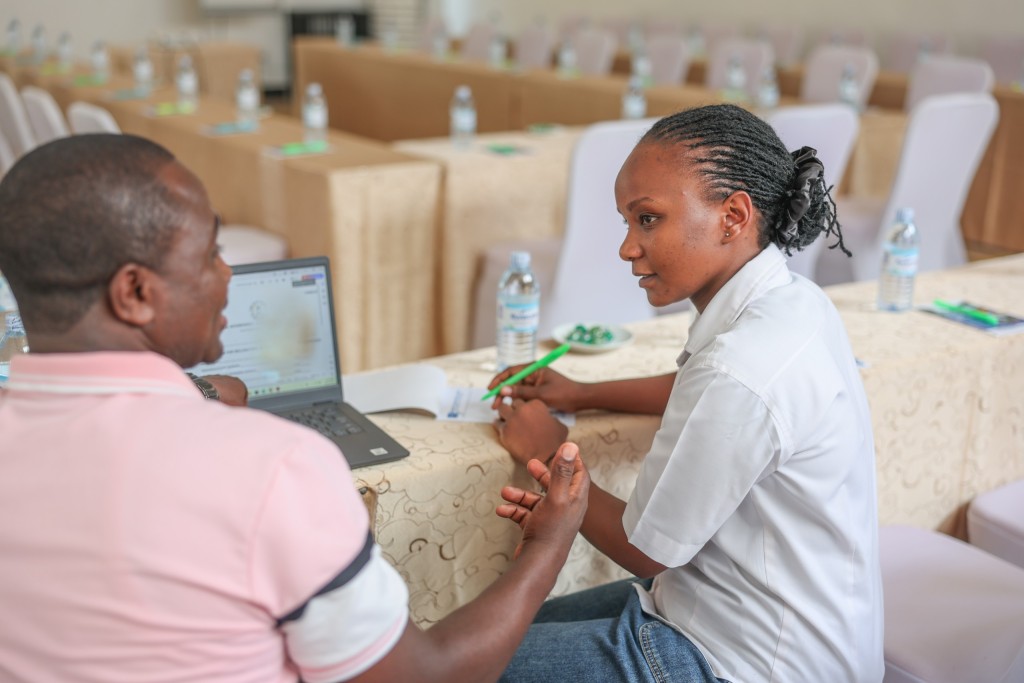
Send us the draft agenda early. Mark the sessions that need microphones, screens, flip charts, printing, internet or a separate room. We will tell you what we supply and what you should bring.
Do not assume the room that works for your opening session works for every later one. A long programme usually changes format during the day, and we would rather plan for that than improvise it.
Equipment check: test presentations, sound, internet and the room layout before delegates come in. A short technical check beats repairing the first session in front of the whole group.
Plan Catering Around the Agenda
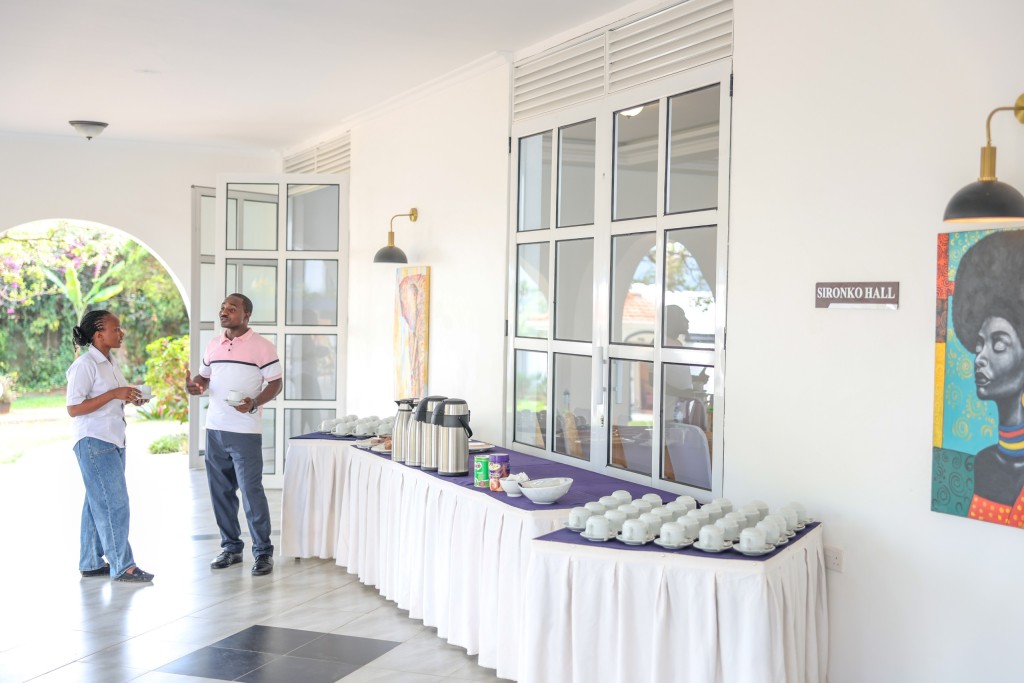
Food timing shapes the working day. Tea arriving during a presentation interrupts the room. Lunch starting late pushes every afternoon session back. Give us a realistic service time and then protect it in your agenda.

Collect dietary needs at registration and send us one clear final count, rather than leaving requests to appear at the buffet on the day.
For residential groups, think past lunch. Breakfast time, dinner, water in the meeting rooms and evening refreshments all affect the programme. A conference package is much easier to compare when every meal and break is written down — ask us to write ours down.
Registration and Delegate Information
Collect only the information you will actually use. Full name, organisation, phone contact, travel origin, accommodation need and dietary requirement covers most events. Government or donor-funded meetings may also need identification details for the attendance record.
Prepare the attendance sheet, name badges and room allocation before arrival day. If delegates are sharing rooms, settle that before anyone reaches our reception.
Send a short joining note with the venue name, our Mbale location, the start time, the check-in plan, your contact person, dress guidance and anything participants must bring. Good delegate information cuts the phone calls on the morning of the meeting to almost nothing.
Transport and Arrival
Some organisations bring everyone in one vehicle; others reimburse individual travel. Decide which and say so early. If you are running a bus, confirm parking and driver arrangements with us.
For delegates coming from Kampala or further, allow enough road time. Do not put a major opening session immediately after the expected arrival window — a meal or a registration period works far better while people settle.
For visiting speakers or executives, tell us if you need a separate pickup. Keep all the transport contacts with one coordinator so we are not receiving conflicting instructions from several people.
Write a Clear Request for Proposal
A strong request tells us exactly what to quote. Include the dates, delegate number, room setup, number of bedrooms, meals, tea breaks, equipment, breakout rooms, outdoor space and anything planned after the conference itself.
Ask us to separate the included items from the optional ones. That makes quotations comparable and stops surprises appearing after the meeting.
You should get back enough detail to take an internal approval decision without several rounds of basic questions. If ours does not give you that, tell us and we will redo it.
Before approval: compare the quote against the agenda line by line. If your programme contains a session, meal, room or night that is not in the quotation, clear it up before you sign.
Retreat Extensions
Mbale gives you access to Wanale, Sipi Falls and the wider Mount Elgon area. These work well after a conference or as part of a staff retreat — but do not add one simply because it is nearby.
Match the activity to the group. A tired training group is usually better served by a short session in our gardens or a meal in the city than by a demanding hike. A corporate retreat with more flexible time can take a longer outing.
Confirm external activities with the operator responsible for them. We will not promise you a third-party activity we have not checked for your date, and you should be wary of any venue that does.
Budget Without Losing the Programme
Let the budget follow the programme rather than the other way round. Start with what the meeting cannot function without, then separate the optional extras. Meeting space, food, accommodation, transport and equipment are far easier to review when each is its own line in the proposal.
Ask us how a change in delegate numbers affects the quote. Almost no conference finishes with exactly the number in the first enquiry, so you should know the date on which the final figure becomes binding.
For donor-funded or public sector meetings, keep the written approvals and supporting documents together. A clear paper trail makes payment and reporting much easier afterwards, and we will give you whatever documentation you need from our side.
Assign Roles Before You Start
One person should own the venue relationship. Another manages registration and attendance. A third handles the programme, speakers and presentation files. On a small event these can be the same person — but everyone should know who takes the final decision.
We also need one organiser contact. If several of your staff change meal times, room layouts and equipment separately, we end up with conflicting instructions and someone is disappointed.
Share a final contact sheet with us before arrival day: your lead organiser, our event contact, the transport contact, the facilitator, and whoever is responsible for presentations and sound.
Close the Conference Properly
The meeting is not over when the delegates leave the room. Collect the attendance records, return hired equipment, check the final rooming list and settle any additional charges with us while the details are still fresh in everyone’s mind.
Ask your participants for short feedback if your organisation needs it. Review whether the room setup, food timing, accommodation and transport actually worked. Those notes make your next Mbale conference much easier — and we would genuinely like to hear them too.
Keep the final agenda, participant list, invoices and venue contact together. A good conference file becomes the template for the next one.
Planning a Conference FAQ
How early should I book? As soon as your date and working delegate number are approved, particularly for a multi-day residential meeting. Larger groups need more notice, because the meeting rooms and the bedrooms have to be available together.
What should I send when asking for a quote? Dates, delegate number, meeting layout, number of nights, bedroom count, meals, tea breaks, equipment and any breakout room needs.
Is a residential conference better than a day meeting? It depends on the programme. Residential suits multi-day training, retreats and groups travelling in from different districts. A local one-day workshop usually does not need accommodation.
Do you host government and NGO meetings? Yes — government meetings, NGO workshops, corporate retreats, conferences and board sessions are a regular part of what we do. Confirm the exact room setup and requirements with us before you book.
Should team building be part of the conference? Only when it supports the purpose of the meeting. If you include it, allow enough time and settle with us whether it happens in our grounds or at an outside site.
How much does a conference in Mbale cost? There is no single price, because the quote depends on your delegate number, room setup, accommodation, meals, equipment and duration. Ask us for a written proposal against your actual programme.
Request a Conference Proposal
We combine meeting rooms, accommodation, dining and leisure facilities on one Mbale property. Send our events team your dates, delegate number, room needs, meals and accommodation requirements and we will build a proposal around the real programme. Call +256 709 748 009 or +256 781 392 961, or email info@mountelgonhotel.com.